Dark Patterns : How They Force You to Consume
It wasn't planned, and yet you've still spent $50, $100, $500? And what if, without you even realizing it, you've been pushed to consume, in spite of yourself?
Understand
Jan 29, 2026
5 min


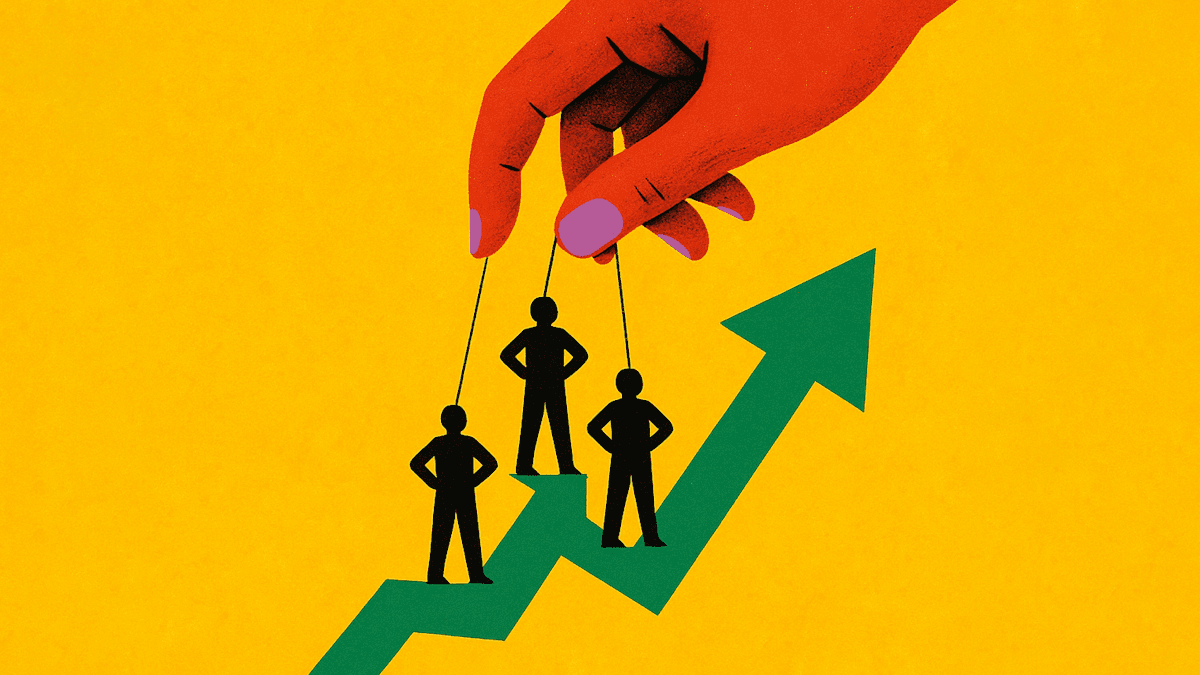
If you're not familiar with psychology, you've probably never heard of cognitive bias or so-called "Dark Patterns" - a click trap. It's so easy to be fooled, and you know why? Because they exploit flaws in your brain! But now that we're here, we're going to explain how it all works and give you some concrete tips on how to stop being duped.
By the way, I’m Laureline, co-founder and designer of Jomo. Over the last 4 years, I’ve spent most of my time thinking about screen time habits and building an app used by more than 250,000 people. Everything you’ll read here is written on trusted resources and knowledge about design and made to help you get your life back.
The flaws in our brain
No, our brains aren't infallible, and there are some very simple ways of influencing them! If the notion of cognitive bias doesn't ring a bell, let us explain what it is. A cognitive bias is a systematic deviation in thinking that can influence the way we perceive situations, make decisions, or evaluate information. These biases often result from automatic mental shortcuts that our brains take to process information more quickly, but which can sometimes lead to irrational or inaccurate judgments.
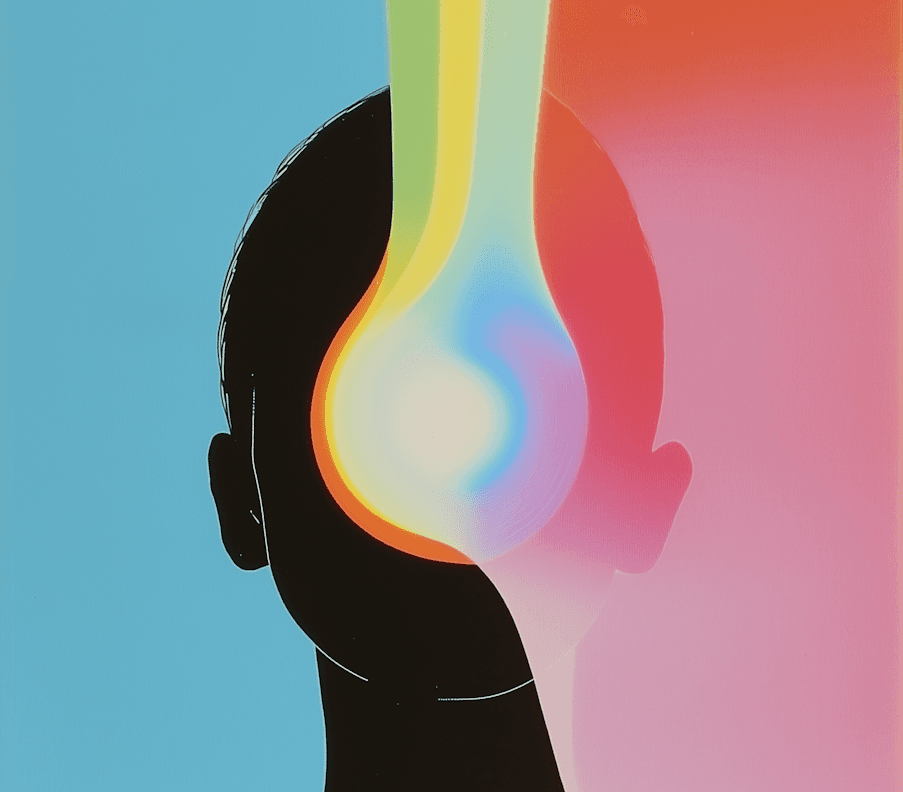
But why would we want to exploit these mental shortcuts? Well, to increase product sales! Because yes, cognitive biases are often used in marketing to influence consumer decisions in subtle ways. Here's a list of the most common cognitive biases:
🤔 Confirmation Bias
We tend to seek out and interpret information in ways that confirm our beliefs. In marketing, one of the most popular techniques is the promotion of positive reviews or customer testimonials to reinforce positive beliefs around a product.
🫙 Availability Bias
We're more likely to remember and consider information when it's readily available. Brands have understood this bias and know how to exploit it perfectly. It's not for nothing that they devote huge budgets to making their products memorable, whether through ultra-creative advertising campaigns or a strong presence on social networks.
⚓️ Anchoring Bias
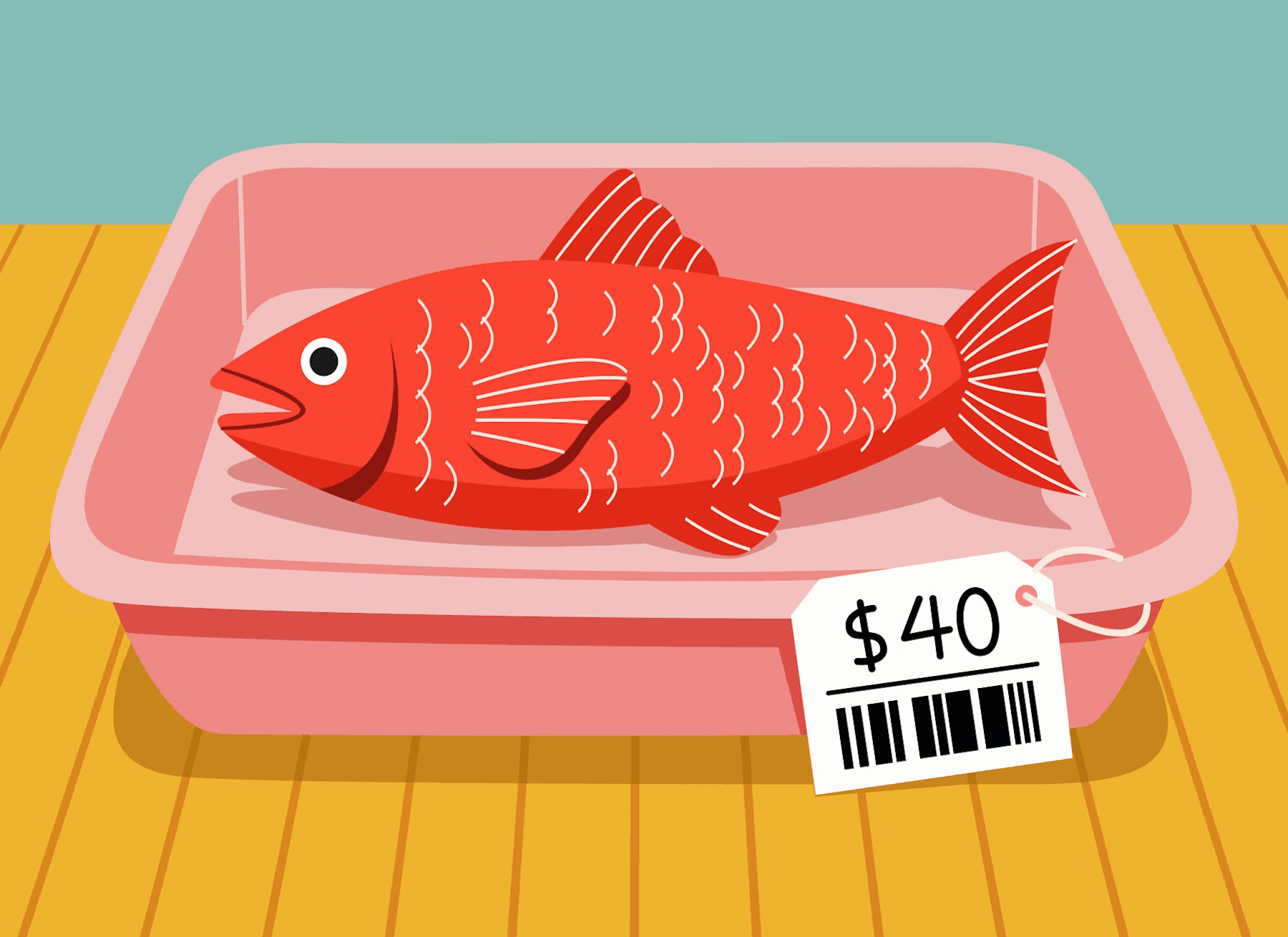
If there's one thing we love, it's making "bargains "! Who hasn't added an item to the shopping cart when they saw the special offer had lowered the price by more than 75% - even if the final price is still high! This is anchoring bias: relying heavily on the first perceived information, e.g. the original price vs. the new information, the "new" price.
🤝 Social Proof Bias
Human loves human. And in marketing, they've got it right. We tend to make our decisions based on the behavior of others. By showing that other people use a product or like a brand, marketing can influence consumers to follow suit out of fear of missing out (the famous FOMO).
💎 Scarcity Bias
This bias is undoubtedly one of the most popular and widely exploited. It's a bias where people will often place more value on things that are rare or difficult to obtain. Marketing uses this bias by creating a sense of urgency around an offer limited in time or quantity, thus inciting impulse buying.

If you're not familiar with psychology, you've probably never heard of cognitive bias or so-called "Dark Patterns" - a click trap. It's so easy to be fooled, and you know why? Because they exploit flaws in your brain! But now that we're here, we're going to explain how it all works and give you some concrete tips on how to stop being duped.

By the way, I’m Laureline, co-founder and designer of Jomo. Over the last 4 years, I’ve spent most of my time thinking about screen time habits and building an app used by more than 250,000 people. Everything you’ll read here is written on trusted resources and knowledge about design and made to help you get your life back.
The flaws in our brain
No, our brains aren't infallible, and there are some very simple ways of influencing them! If the notion of cognitive bias doesn't ring a bell, let us explain what it is. A cognitive bias is a systematic deviation in thinking that can influence the way we perceive situations, make decisions, or evaluate information. These biases often result from automatic mental shortcuts that our brains take to process information more quickly, but which can sometimes lead to irrational or inaccurate judgments.

But why would we want to exploit these mental shortcuts? Well, to increase product sales! Because yes, cognitive biases are often used in marketing to influence consumer decisions in subtle ways. Here's a list of the most common cognitive biases:
🤔 Confirmation Bias
We tend to seek out and interpret information in ways that confirm our beliefs. In marketing, one of the most popular techniques is the promotion of positive reviews or customer testimonials to reinforce positive beliefs around a product.
🫙 Availability Bias
We're more likely to remember and consider information when it's readily available. Brands have understood this bias and know how to exploit it perfectly. It's not for nothing that they devote huge budgets to making their products memorable, whether through ultra-creative advertising campaigns or a strong presence on social networks.
⚓️ Anchoring Bias
If there's one thing we love, it's making "bargains "! Who hasn't added an item to the shopping cart when they saw the special offer had lowered the price by more than 75% - even if the final price is still high! This is anchoring bias: relying heavily on the first perceived information, e.g. the original price vs. the new information, the "new" price.
🤝 Social Proof Bias
Human loves human. And in marketing, they've got it right. We tend to make our decisions based on the behavior of others. By showing that other people use a product or like a brand, marketing can influence consumers to follow suit out of fear of missing out (the famous FOMO).
💎 Scarcity Bias
This bias is undoubtedly one of the most popular and widely exploited. It's a bias where people will often place more value on things that are rare or difficult to obtain. Marketing uses this bias by creating a sense of urgency around an offer limited in time or quantity, thus inciting impulse buying.
If you're not familiar with psychology, you've probably never heard of cognitive bias or so-called "Dark Patterns" - a click trap. It's so easy to be fooled, and you know why? Because they exploit flaws in your brain! But now that we're here, we're going to explain how it all works and give you some concrete tips on how to stop being duped.

By the way, I’m Laureline, co-founder and designer of Jomo. Over the last 4 years, I’ve spent most of my time thinking about screen time habits and building an app used by more than 250,000 people. Everything you’ll read here is written on trusted resources and knowledge about design and made to help you get your life back.
The flaws in our brain
No, our brains aren't infallible, and there are some very simple ways of influencing them! If the notion of cognitive bias doesn't ring a bell, let us explain what it is. A cognitive bias is a systematic deviation in thinking that can influence the way we perceive situations, make decisions, or evaluate information. These biases often result from automatic mental shortcuts that our brains take to process information more quickly, but which can sometimes lead to irrational or inaccurate judgments.

But why would we want to exploit these mental shortcuts? Well, to increase product sales! Because yes, cognitive biases are often used in marketing to influence consumer decisions in subtle ways. Here's a list of the most common cognitive biases:
🤔 Confirmation Bias
We tend to seek out and interpret information in ways that confirm our beliefs. In marketing, one of the most popular techniques is the promotion of positive reviews or customer testimonials to reinforce positive beliefs around a product.
🫙 Availability Bias
We're more likely to remember and consider information when it's readily available. Brands have understood this bias and know how to exploit it perfectly. It's not for nothing that they devote huge budgets to making their products memorable, whether through ultra-creative advertising campaigns or a strong presence on social networks.
⚓️ Anchoring Bias
If there's one thing we love, it's making "bargains "! Who hasn't added an item to the shopping cart when they saw the special offer had lowered the price by more than 75% - even if the final price is still high! This is anchoring bias: relying heavily on the first perceived information, e.g. the original price vs. the new information, the "new" price.
🤝 Social Proof Bias
Human loves human. And in marketing, they've got it right. We tend to make our decisions based on the behavior of others. By showing that other people use a product or like a brand, marketing can influence consumers to follow suit out of fear of missing out (the famous FOMO).
💎 Scarcity Bias
This bias is undoubtedly one of the most popular and widely exploited. It's a bias where people will often place more value on things that are rare or difficult to obtain. Marketing uses this bias by creating a sense of urgency around an offer limited in time or quantity, thus inciting impulse buying.

Your phone, your rules. Block on command and own your time.
For 30min
Everyday
On weekends
During workhours
From 10 pm to 8 am
For 7 days
All the time

Your phone, your rules. Block on command and own your time.
For 30min
Everyday
On weekends
During workhours
From 10 pm to 8 am
For 7 days
All the time

Your phone, your rules. Block on command and own your time.
For 30min
Everyday
On weekends
During workhours
From 10 pm to 8 am
For 7 days
All the time
Some Concrete Examples
Shopping platforms - especially fast fashion - are very fond of these techniques. The aim is not to get you to think too much about the product or its usefulness, but rather to convince you that you're always getting a very good deal. All you have to do is click!
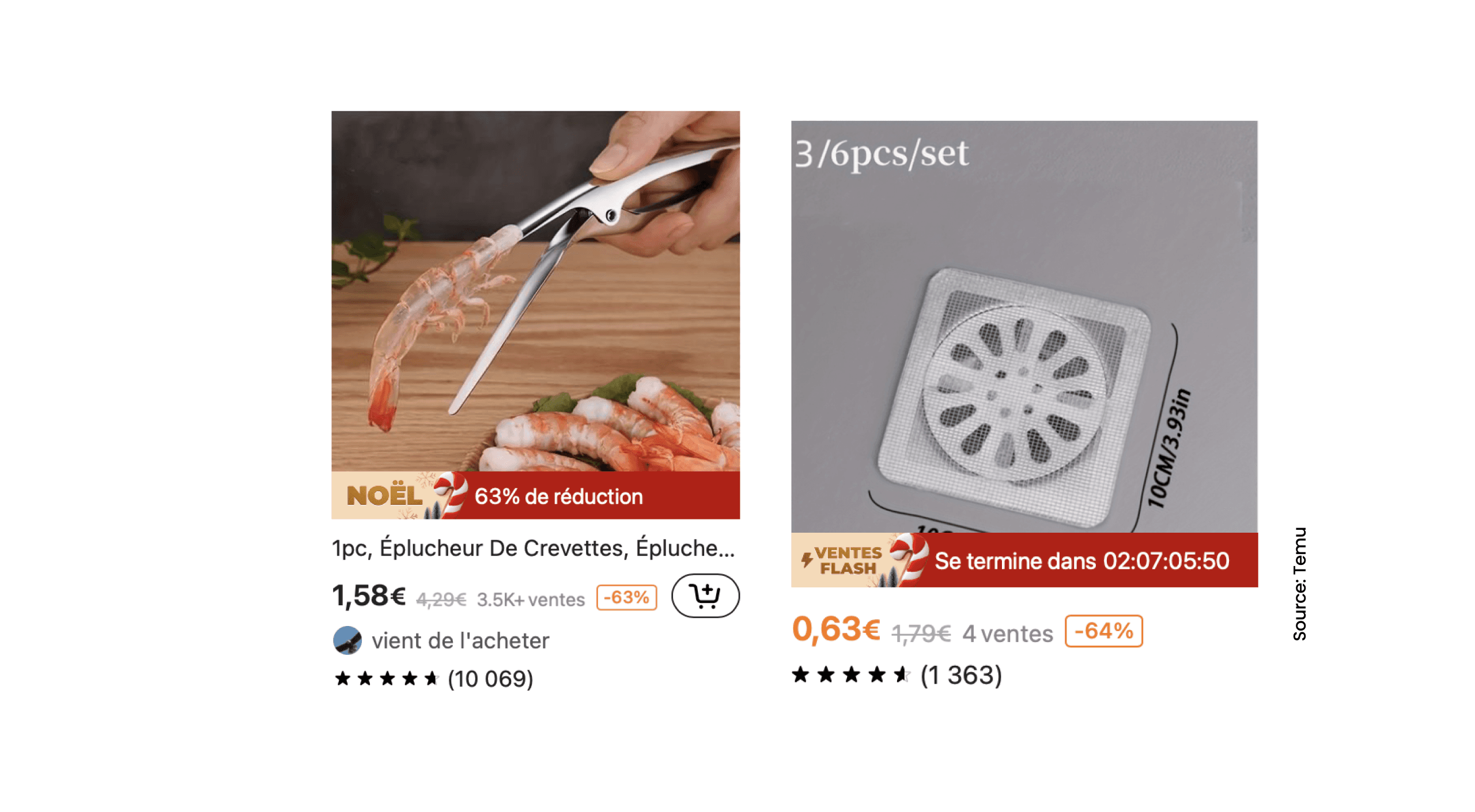
In these examples, we have almost all the biases combined:
The big reduction of 63% (displayed in double) — which also crosses out the price to reinforce the “good deal” aspect.
The social mention "just bought it" or even "rated 5; 5 minutes ago" — which also changes every 10 seconds, supporting the fact that other humans have bought this product, so it’s a “safe value”.
The astronomical number of customer ratings — and rarely below 5 stars, which once again reassure the customer about the quality of the product (“10k people gave a great rating; it’s obviously a good product”).
Often promotions are temporary, with dynamic countdowns to really support the urgency to consume and play on FOMO.
Dark Patterns and Interface Manipulation
Dark patterns are deceptive commercial techniques aimed at making you consume, almost in spite of yourself. This involves in particular the implementation of tricks on websites or even deliberately poorly formulated syntax.
#1 – Deceive the User
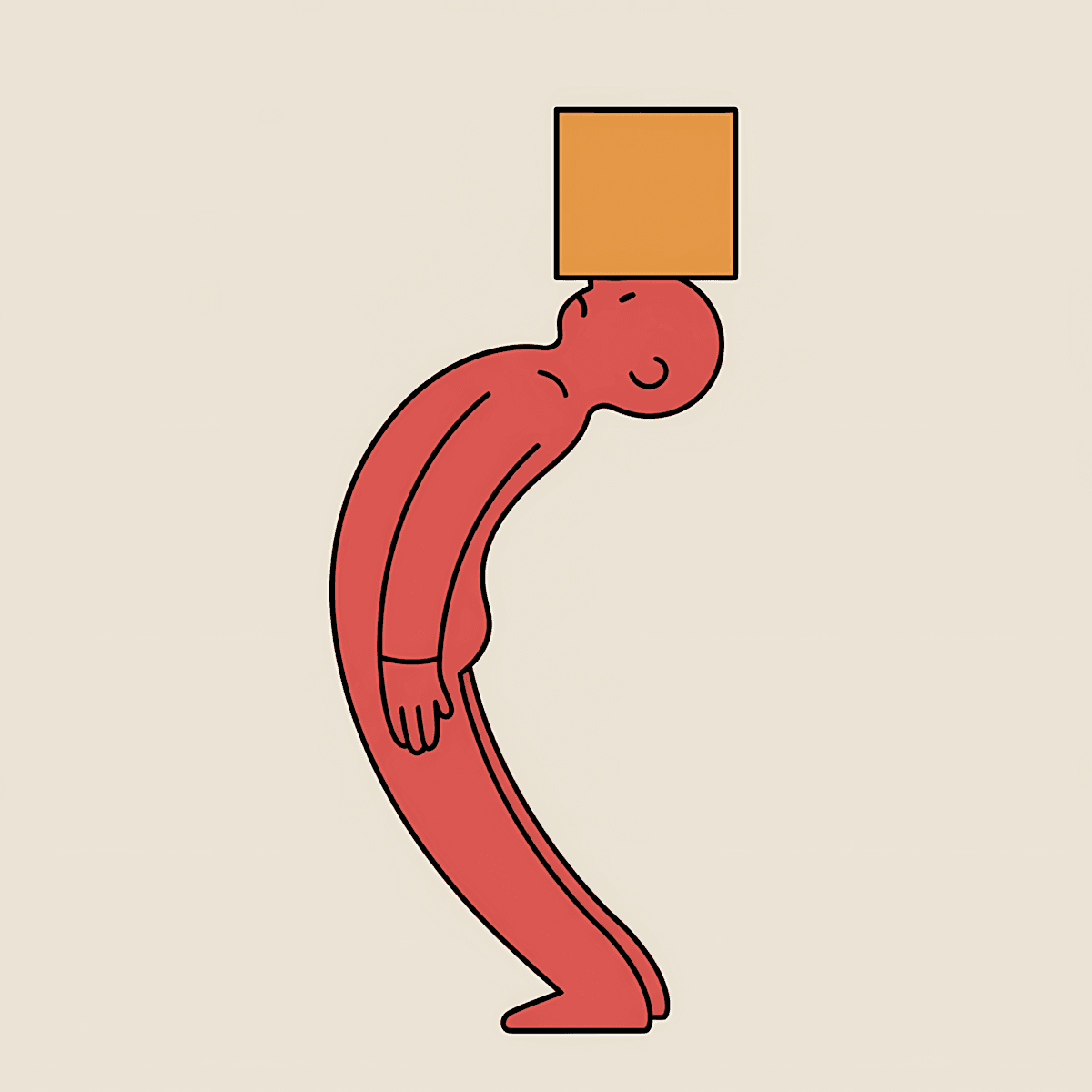
To guide you towards specific choices over others, the website will use visual tactics on their interfaces. For example, “refuse” buttons or icons will be less salient, and the steps to decline will be more complex compared to those to accept. In reality, the site is just designed to make the choices sellers want more obvious, direct, and attractive than the opt-out options.
#2 – Trap of Weariness: You Become Discouraged and Push Yourself to Give Up
You have probably already experienced this situation, the one where you just want to unsubscribe from a service and then a whole series of screens, unbearable trick questions follow and then... too painful, you give up! Please note that this is a well-known dark pattern. Objective: discourage you to the point of giving up.
#3 –Take it By the Feelings
Have you ever wanted to leave a service or an offer and at the last moment you gave up because you were made to feel guilty? This is also a fairly common dark pattern. We drown the user under a pile of questions, check boxes, guilt-inducing messages to absolutely keep them back.
#4 – Hide Real Amount
It is a classic of online shopping and reservation sites. You saw a great offer “from 10$”. You go for it, you buy. And there, when it’s time to make the payment, it’s a cold shower, you find yourself with an astronomical amount. This is what we call “hidden costs”: it involves not declaring to the buyer the true cost of their order and accumulating hidden costs.
#5 – Disguised Blackmail
“Accept cookies…or pay a €1 subscription”. This has become commonplace. You are asked for your consent to recover your data, but in fact, the action of refusing is not really possible... well, if by paying a subscription. This technique has been highlighted very recently, notably with Meta and its subscription against… your data!
5 Tips to Combat the Exploitation of Cognitive Bias and Dark Patterns
So now that we have seen what the main techniques are to make us consume more and more, even though that was not our initial intention, it is time to give you our best tips for protecting ourselves. Let’s get practical!
#1 – Resist FOMO
You only need very few things to be truly happy. On the other hand, you may want many things. It’s about learning to differentiate between the notion of need and want. It doesn't matter if you don't have the latest iPhone or the latest fashionable clothes. You have to learn to deprive yourself of things in order to focus on the essentials — and happily missing out on everything else.
#2 – Cut Notifications to Reduce Temptations
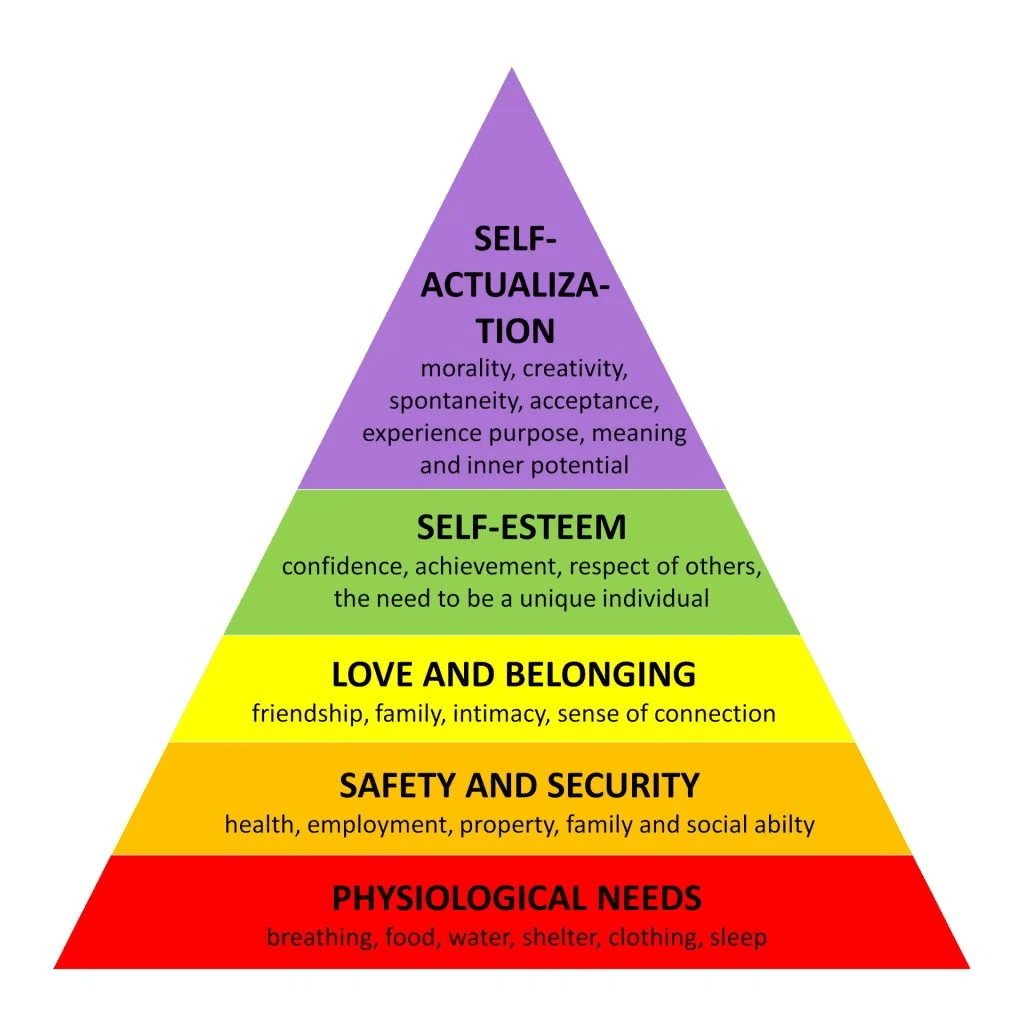
Many shopping apps and sites play on the “ephemeral” side of promotions (best example: flash sales) and so that you don’t miss out, they bombard you with notifications, emails, etc. All these means have only one goal: you unconsciously push yourself to consume the product and once again play on FOMO. Remember to unsubscribe from newsletters and turn off notifications.
#3 –Take the Time and Read the Conditions Carefully
Don’t go too quickly, take the time to read the conditions of sale carefully before consuming. Often there are lots of * to read to really benefit from the promotion. And often these criteria are so specific that few people end up being able to benefit from this incredible offer.
#4 – Check the Facts and be Skeptical
An offer that is too attractive often hides a scam. What would be the advantage of the company in selling off its service? He would sell at a loss, and no one can afford to unless... it's a scam! So learn not to believe all reviews (some may be fake) and compare different sites. And then, even if certain products are promoted by influencers, this does not mean that it is a quality product or a good deal. Very often, they have been paid by the brands to promote the product to you…
#5 – Block Shopping Apps to Stop Being Tempted
If you tend to be the victim of compulsive purchases and regularly get scammed, you can block these apps! Download the Jomo app for free from the App Store, available on iPhone and Mac.
You can block these sites and apps by default and to use them you must enter a duration of use as well as an intention. And once this time has elapsed, the app or site will be re-blocked. This will prevent you from getting lost in overly tempting catalogs and promotional offers.
Here’s how to set it up in Jomo:
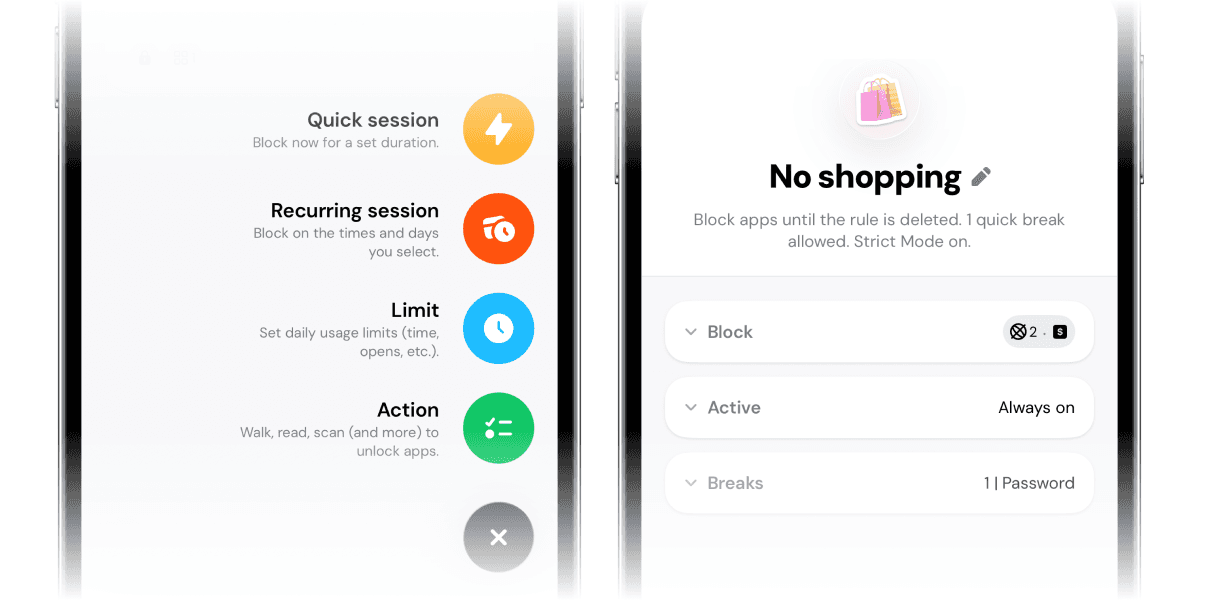
Go to Rules > + > Recurring Session.
In Block, select the shopping apps and websites you use. You can also select in-app purchases if that’s an issue for you (to prevent micro-transactions, for example, which are very common in mobile games and popular apps like TikTok).
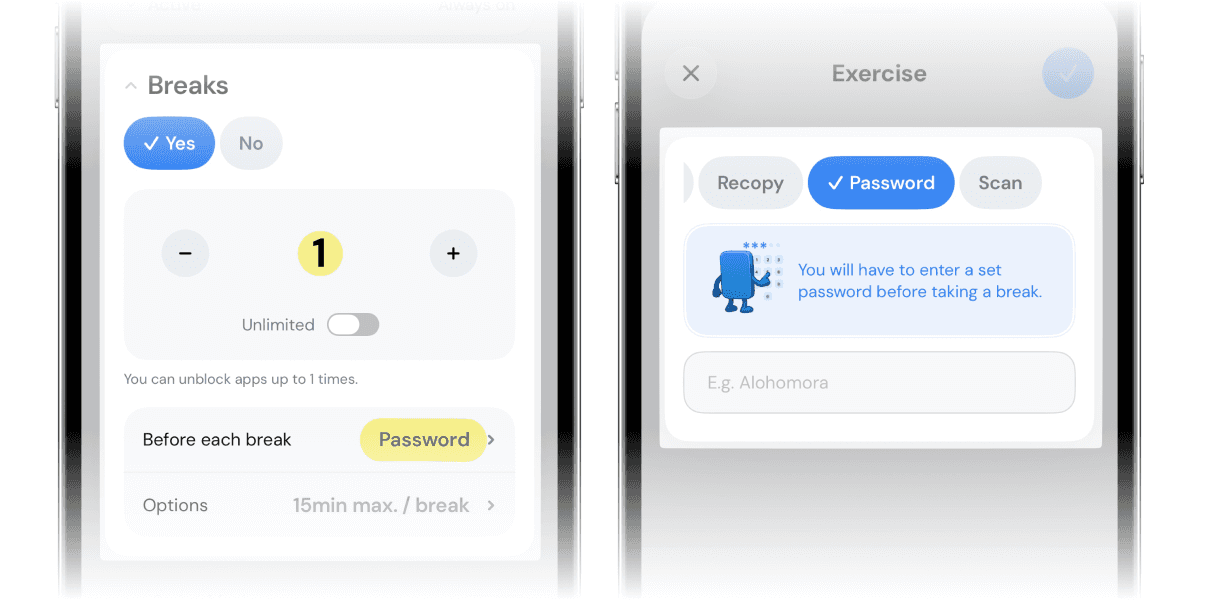
In Breaks, choose a maximum of 1 break per day (only if you really need it), protected by a password. You can ask a trusted person to set the password for you. That way, only that person will be able to unlock the session.
Once everything is set up, tap Schedule!

Thanks for reading so far! As you will have understood, there are plenty of ways to be fooled! It is not necessarily a scam in the literal sense of the term, but a simple exploitation of the flaws in our brain. If there is one thing to remember: there are rarely “exceptional offers” and no company has any interest in selling its products at a loss… If you want to give our app Jomo a try, you can download it from the App Store and use my code FG2HA9 to get the Plus plan free for 14 days.
Some Concrete Examples
Shopping platforms - especially fast fashion - are very fond of these techniques. The aim is not to get you to think too much about the product or its usefulness, but rather to convince you that you're always getting a very good deal. All you have to do is click!

In these examples, we have almost all the biases combined:
The big reduction of 63% (displayed in double) — which also crosses out the price to reinforce the “good deal” aspect.
The social mention "just bought it" or even "rated 5; 5 minutes ago" — which also changes every 10 seconds, supporting the fact that other humans have bought this product, so it’s a “safe value”.
The astronomical number of customer ratings — and rarely below 5 stars, which once again reassure the customer about the quality of the product (“10k people gave a great rating; it’s obviously a good product”).
Often promotions are temporary, with dynamic countdowns to really support the urgency to consume and play on FOMO.
Dark Patterns and Interface Manipulation
Dark patterns are deceptive commercial techniques aimed at making you consume, almost in spite of yourself. This involves in particular the implementation of tricks on websites or even deliberately poorly formulated syntax.

#1 – Deceive the User
To guide you towards specific choices over others, the website will use visual tactics on their interfaces. For example, “refuse” buttons or icons will be less salient, and the steps to decline will be more complex compared to those to accept. In reality, the site is just designed to make the choices sellers want more obvious, direct, and attractive than the opt-out options.
#2 – Trap of Weariness: You Become Discouraged and Push Yourself to Give Up
You have probably already experienced this situation, the one where you just want to unsubscribe from a service and then a whole series of screens, unbearable trick questions follow and then... too painful, you give up! Please note that this is a well-known dark pattern. Objective: discourage you to the point of giving up.
#3 –Take it By the Feelings
Have you ever wanted to leave a service or an offer and at the last moment you gave up because you were made to feel guilty? This is also a fairly common dark pattern. We drown the user under a pile of questions, check boxes, guilt-inducing messages to absolutely keep them back.
#4 – Hide Real Amount
It is a classic of online shopping and reservation sites. You saw a great offer “from 10$”. You go for it, you buy. And there, when it’s time to make the payment, it’s a cold shower, you find yourself with an astronomical amount. This is what we call “hidden costs”: it involves not declaring to the buyer the true cost of their order and accumulating hidden costs.
#5 – Disguised Blackmail
“Accept cookies…or pay a €1 subscription”. This has become commonplace. You are asked for your consent to recover your data, but in fact, the action of refusing is not really possible... well, if by paying a subscription. This technique has been highlighted very recently, notably with Meta and its subscription against… your data!
5 Tips to Combat the Exploitation of Cognitive Bias and Dark Patterns
So now that we have seen what the main techniques are to make us consume more and more, even though that was not our initial intention, it is time to give you our best tips for protecting ourselves. Let’s get practical!
#1 – Resist FOMO
You only need very few things to be truly happy. On the other hand, you may want many things. It’s about learning to differentiate between the notion of need and want. It doesn't matter if you don't have the latest iPhone or the latest fashionable clothes. You have to learn to deprive yourself of things in order to focus on the essentials — and happily missing out on everything else.

#2 – Cut Notifications to Reduce Temptations
Many shopping apps and sites play on the “ephemeral” side of promotions (best example: flash sales) and so that you don’t miss out, they bombard you with notifications, emails, etc. All these means have only one goal: you unconsciously push yourself to consume the product and once again play on FOMO. Remember to unsubscribe from newsletters and turn off notifications.
#3 –Take the Time and Read the Conditions Carefully
Don’t go too quickly, take the time to read the conditions of sale carefully before consuming. Often there are lots of * to read to really benefit from the promotion. And often these criteria are so specific that few people end up being able to benefit from this incredible offer.
#4 – Check the Facts and be Skeptical
An offer that is too attractive often hides a scam. What would be the advantage of the company in selling off its service? He would sell at a loss, and no one can afford to unless... it's a scam! So learn not to believe all reviews (some may be fake) and compare different sites. And then, even if certain products are promoted by influencers, this does not mean that it is a quality product or a good deal. Very often, they have been paid by the brands to promote the product to you…
#5 – Block Shopping Apps to Stop Being Tempted
If you tend to be the victim of compulsive purchases and regularly get scammed, you can block these apps! Download the Jomo app for free from the App Store, available on iPhone and Mac.
You can block these sites and apps by default and to use them you must enter a duration of use as well as an intention. And once this time has elapsed, the app or site will be re-blocked. This will prevent you from getting lost in overly tempting catalogs and promotional offers.
Here’s how to set it up in Jomo:
Go to Rules > + > Recurring Session.
In Block, select the shopping apps and websites you use. You can also select in-app purchases if that’s an issue for you (to prevent micro-transactions, for example, which are very common in mobile games and popular apps like TikTok).
In Breaks, choose a maximum of 1 break per day (only if you really need it), protected by a password. You can ask a trusted person to set the password for you. That way, only that person will be able to unlock the session.
Once everything is set up, tap Schedule!


Thanks for reading so far! As you will have understood, there are plenty of ways to be fooled! It is not necessarily a scam in the literal sense of the term, but a simple exploitation of the flaws in our brain. If there is one thing to remember: there are rarely “exceptional offers” and no company has any interest in selling its products at a loss… If you want to give our app Jomo a try, you can download it from the App Store and use my code FG2HA9 to get the Plus plan free for 14 days.
Some Concrete Examples
Shopping platforms - especially fast fashion - are very fond of these techniques. The aim is not to get you to think too much about the product or its usefulness, but rather to convince you that you're always getting a very good deal. All you have to do is click!

In these examples, we have almost all the biases combined:
The big reduction of 63% (displayed in double) — which also crosses out the price to reinforce the “good deal” aspect.
The social mention "just bought it" or even "rated 5; 5 minutes ago" — which also changes every 10 seconds, supporting the fact that other humans have bought this product, so it’s a “safe value”.
The astronomical number of customer ratings — and rarely below 5 stars, which once again reassure the customer about the quality of the product (“10k people gave a great rating; it’s obviously a good product”).
Often promotions are temporary, with dynamic countdowns to really support the urgency to consume and play on FOMO.
Dark Patterns and Interface Manipulation
Dark patterns are deceptive commercial techniques aimed at making you consume, almost in spite of yourself. This involves in particular the implementation of tricks on websites or even deliberately poorly formulated syntax.

#1 – Deceive the User
To guide you towards specific choices over others, the website will use visual tactics on their interfaces. For example, “refuse” buttons or icons will be less salient, and the steps to decline will be more complex compared to those to accept. In reality, the site is just designed to make the choices sellers want more obvious, direct, and attractive than the opt-out options.
#2 – Trap of Weariness: You Become Discouraged and Push Yourself to Give Up
You have probably already experienced this situation, the one where you just want to unsubscribe from a service and then a whole series of screens, unbearable trick questions follow and then... too painful, you give up! Please note that this is a well-known dark pattern. Objective: discourage you to the point of giving up.
#3 –Take it By the Feelings
Have you ever wanted to leave a service or an offer and at the last moment you gave up because you were made to feel guilty? This is also a fairly common dark pattern. We drown the user under a pile of questions, check boxes, guilt-inducing messages to absolutely keep them back.
#4 – Hide Real Amount
It is a classic of online shopping and reservation sites. You saw a great offer “from 10$”. You go for it, you buy. And there, when it’s time to make the payment, it’s a cold shower, you find yourself with an astronomical amount. This is what we call “hidden costs”: it involves not declaring to the buyer the true cost of their order and accumulating hidden costs.
#5 – Disguised Blackmail
“Accept cookies…or pay a €1 subscription”. This has become commonplace. You are asked for your consent to recover your data, but in fact, the action of refusing is not really possible... well, if by paying a subscription. This technique has been highlighted very recently, notably with Meta and its subscription against… your data!
5 Tips to Combat the Exploitation of Cognitive Bias and Dark Patterns
So now that we have seen what the main techniques are to make us consume more and more, even though that was not our initial intention, it is time to give you our best tips for protecting ourselves. Let’s get practical!
#1 – Resist FOMO
You only need very few things to be truly happy. On the other hand, you may want many things. It’s about learning to differentiate between the notion of need and want. It doesn't matter if you don't have the latest iPhone or the latest fashionable clothes. You have to learn to deprive yourself of things in order to focus on the essentials — and happily missing out on everything else.

#2 – Cut Notifications to Reduce Temptations
Many shopping apps and sites play on the “ephemeral” side of promotions (best example: flash sales) and so that you don’t miss out, they bombard you with notifications, emails, etc. All these means have only one goal: you unconsciously push yourself to consume the product and once again play on FOMO. Remember to unsubscribe from newsletters and turn off notifications.
#3 –Take the Time and Read the Conditions Carefully
Don’t go too quickly, take the time to read the conditions of sale carefully before consuming. Often there are lots of * to read to really benefit from the promotion. And often these criteria are so specific that few people end up being able to benefit from this incredible offer.
#4 – Check the Facts and be Skeptical
An offer that is too attractive often hides a scam. What would be the advantage of the company in selling off its service? He would sell at a loss, and no one can afford to unless... it's a scam! So learn not to believe all reviews (some may be fake) and compare different sites. And then, even if certain products are promoted by influencers, this does not mean that it is a quality product or a good deal. Very often, they have been paid by the brands to promote the product to you…
#5 – Block Shopping Apps to Stop Being Tempted
If you tend to be the victim of compulsive purchases and regularly get scammed, you can block these apps! Download the Jomo app for free from the App Store, available on iPhone and Mac.
You can block these sites and apps by default and to use them you must enter a duration of use as well as an intention. And once this time has elapsed, the app or site will be re-blocked. This will prevent you from getting lost in overly tempting catalogs and promotional offers.
Here’s how to set it up in Jomo:
Go to Rules > + > Recurring Session.
In Block, select the shopping apps and websites you use. You can also select in-app purchases if that’s an issue for you (to prevent micro-transactions, for example, which are very common in mobile games and popular apps like TikTok).
In Breaks, choose a maximum of 1 break per day (only if you really need it), protected by a password. You can ask a trusted person to set the password for you. That way, only that person will be able to unlock the session.
Once everything is set up, tap Schedule!


Thanks for reading so far! As you will have understood, there are plenty of ways to be fooled! It is not necessarily a scam in the literal sense of the term, but a simple exploitation of the flaws in our brain. If there is one thing to remember: there are rarely “exceptional offers” and no company has any interest in selling its products at a loss… If you want to give our app Jomo a try, you can download it from the App Store and use my code FG2HA9 to get the Plus plan free for 14 days.
Credits
Photographies by Unsplash & Lummi.
[1] Pièges sur les sites de commerce en ligne : attention aux dark patterns !, DGGCRF, Gouvernement Français, 2023.
Continue reading
Continue reading
The Joy Of Missing Out

Crafted in Europe
All rights reserved to Jomo SAS, 2026
The Joy Of Missing Out

Crafted in Europe
All rights reserved to Jomo SAS, 2026
The Joy Of Missing Out

Crafted in Europe
All rights reserved to Jomo SAS, 2026