Understand
6 min
Why You Should Work Smarter and Not Harder
The success of any business relies on human resources: employees who are compensated for applying their skills and mental capacity to create value.
The church at the center of the village
For a solo entrepreneur, it’s the same principle, but with just one resource. The brain remains the most valuable asset. Common sense suggests we should cultivate an environment where brains are in the best possible condition to produce high-quality output. This means designing routines and rituals for the “optimal use” of these resources and fully leveraging this intellectual capital.
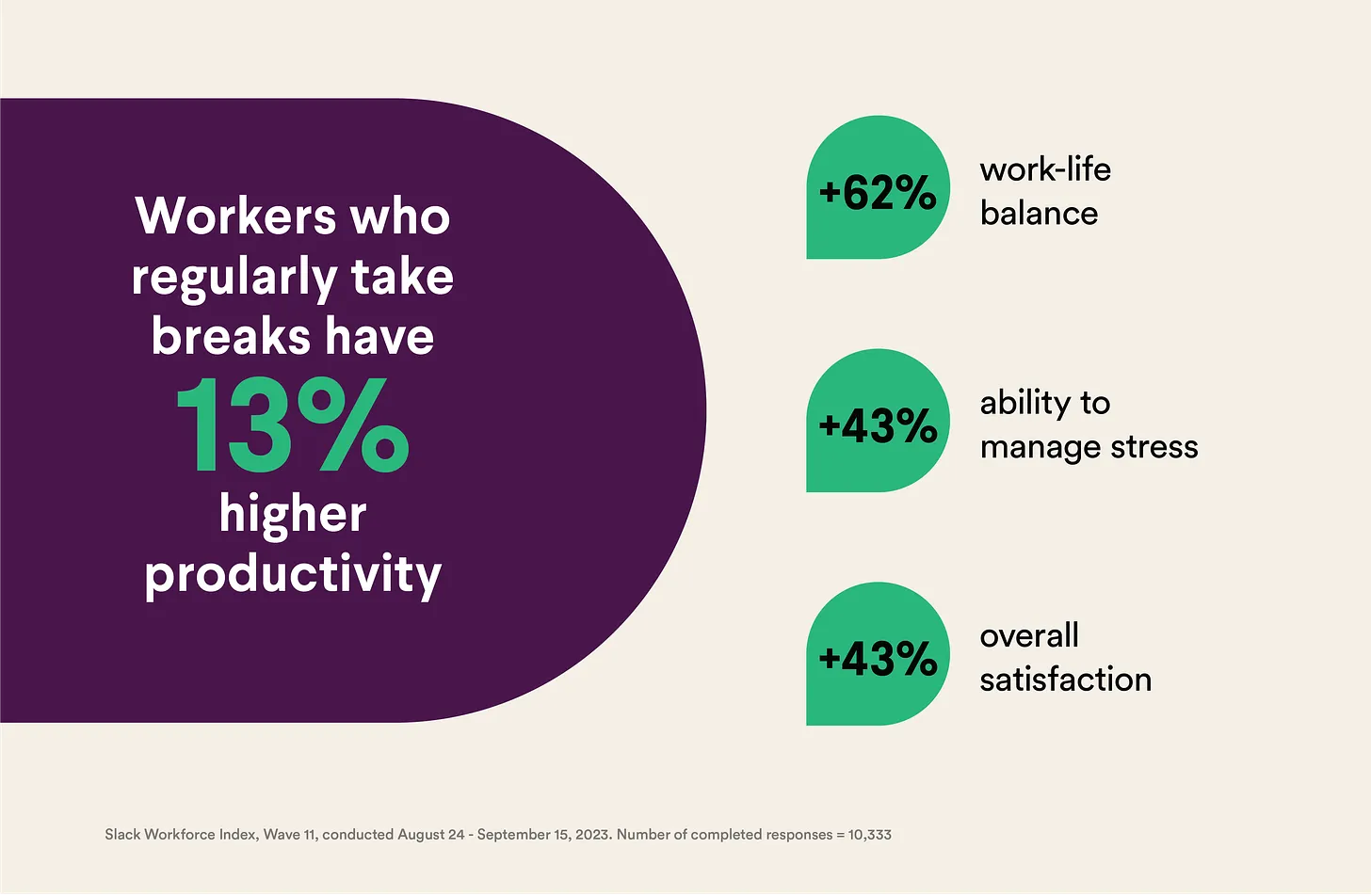
Yet, some striking statistics reveal there’s a fundamental problem:
68% of people report they don’t have enough uninterrupted focus time during their workday.
80% of employees experienced “information overload” in 2022, up from 60% in 2020.
64% of workers say they lack the time and energy to "get work done".
These figures point to something broken—something that needs fixing. I suspect the root of the issue lies in how we perceive productivity.
In the collective mindset, productivity is often equated with being busy—constantly hustling and staying in motion.
In this paradigm, we measure success by the number of hours worked and the visible effort put in. In short, we focus on activity.
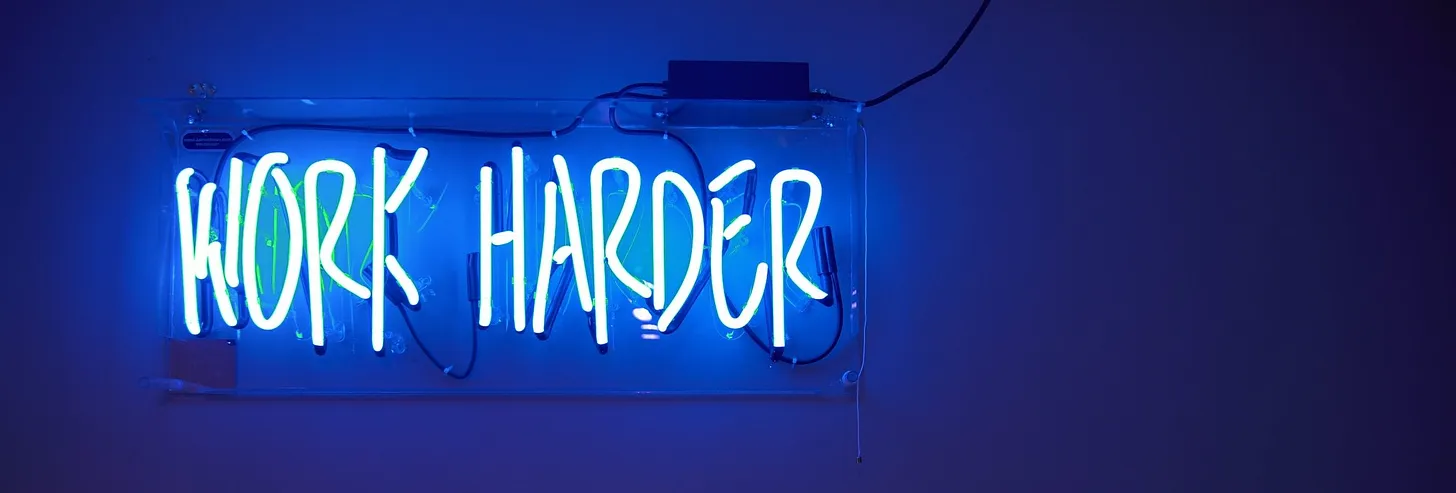
This is the essence of hustle culture: the belief that efficiency only comes from being perpetually overbooked.
But is this the best approach for maximizing long-term value, both for businesses and individuals?
Recently, I watched a talk by Timothée Parrique. He explained that when we talk about a country’s growth, we implicitly refer to the increase in its Gross Domestic Product (GDP). However, GDP is merely “a volumetric indicator of economic agitation”—a quantitative measure of how fast an economy is moving, but it doesn’t tell us in what direction it’s heading.
It’s an incomplete metric, offering little insight into progress in terms of human development, innovation, sustainability, or well-being. In fact, in 2019, New Zealand abandoned GDP as its primary measure of success, opting instead for a dashboard of 65 indicators covering social health and economic resilience. This brings me to a parallel with productivity: just because our workflow is intense doesn’t mean it’s high in value.
We need to redefine how we measure productivity, especially in the digital age. Real productivity is about yield—creating value—not about the number of hours worked. Judging a worker’s performance by their level of “busyness,” or visible activity, is at best incomplete and at worst harmful.
This isn’t about endorsing laziness, but rather advocating for smarter work. It’s about shifting from a mindset of constant motion to one of intentional, impactful effort.
Technology as the Fuel for Agitation
We all carry a growing digital burden: the sheer volume of information, emails, notifications, and messages has far outpaced our ability to manage it effectively.
57% of employees now use at least 6 tools and apps daily. This was only 24% in 2020!
144 emails are received weekly on average by employees in France—nearly 200 for managers, and over 400 for executives.
The digital landscape amplifies mental agitation. More critically, it keeps the brain in a constant state of alertness, prioritizing availability over productivity. This results in constant interruptions—the rise of Homo Interruptus.
A typical startup day—here’s what your day might look like:
Check emails and started responding to one.
A Slack notification popped up.
Open the app and stay there for a while because you'd miss some messages.
Then, check WhatsApp to see if a prospect had replied.
Open another browser tab because you get distracted.
Finally, return to your original email.
This endless juggling and multitasking can leave you mentally exhausted by the end of the day—without making meaningful progress on what actually added value to the company or to yourself.
Being everywhere and nowhere at the same time.

©️ Pelle Cass
To handle this relentless influx of demands, our attention becomes fragmented. According to Gloria Mark’s research, the average screen attention span has dropped to 47 seconds.
As time goes on, “switching costs,” the lingering attention from unfinished tasks, pile up, creating mental overload. These digital demands lead to cognitive saturation, while also fostering dissatisfaction and a sense of unproductiveness.
On top of that, they overlook a key natural inclination: your brain is wired to seek out information—a skill that was once critical for survival. But when information is handed to you directly, as is often the case in the digital world, it falsely signals to your brain that it’s both urgent and important.
And when everything feels important, you spend your day struggling to keep your head above water—only to end up drowning.
The digital world fuels this culture of “busyness”—the constant presence and glorification of perpetual hustle. The perceived need for constant connection and availability gives rise to a phenomenon of digital presenteeism: we begin to value the visibility of activity over its actual impact. Being and appearing “underwater” becomes a badge of honor, something we wear proudly.
Yet, when viewed through the lens of true effectiveness, this isn’t always a positive thing. It’s by shedding unnecessary busyness that we create space for what truly matters. Originally designed to enhance flow and efficiency, digital tools sometimes have the opposite effect. Subtly, hyper-connectivity becomes the invisible enemy of both performance and well-being. Difficult to measure, yet undeniably pervasive. So, given this reality, how can we rethink productive work?