Understand
5 min
Why Is It Good to Distance Yourself From Your Phone?
Time to talk about a conflicted relationship we all experience to varying degrees. A daily “I love you… me neither” kind of thing—with a 200-gram object. The dynamics of this relationship are complex and ambiguous. But one thing’s crystal clear: it’s physically almost always with us.


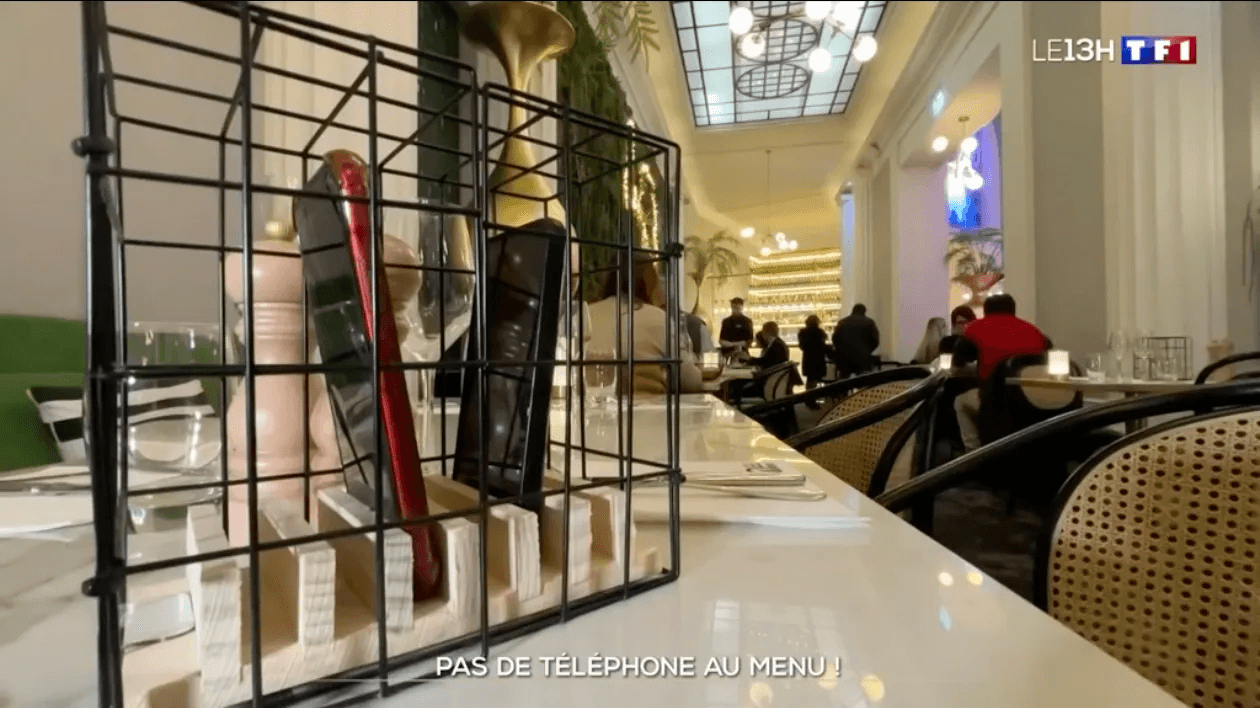


Physical Distance & Self-control
The issue with our relationship to smartphones often isn’t choice—it’s impulse control. The brain’s vulnerabilities are expertly exploited by attention dealers, messing with our reward systems and forming sticky habits.
It’s not just about willpower anymore—these are automatic behaviors. We’re subjected to them, rather than choosing them. As Laura Branigan sang in her hit song “You take my self-control.”, back in 1984, she probably wasn’t talking about her phone. But her words hit hard 40 years later.
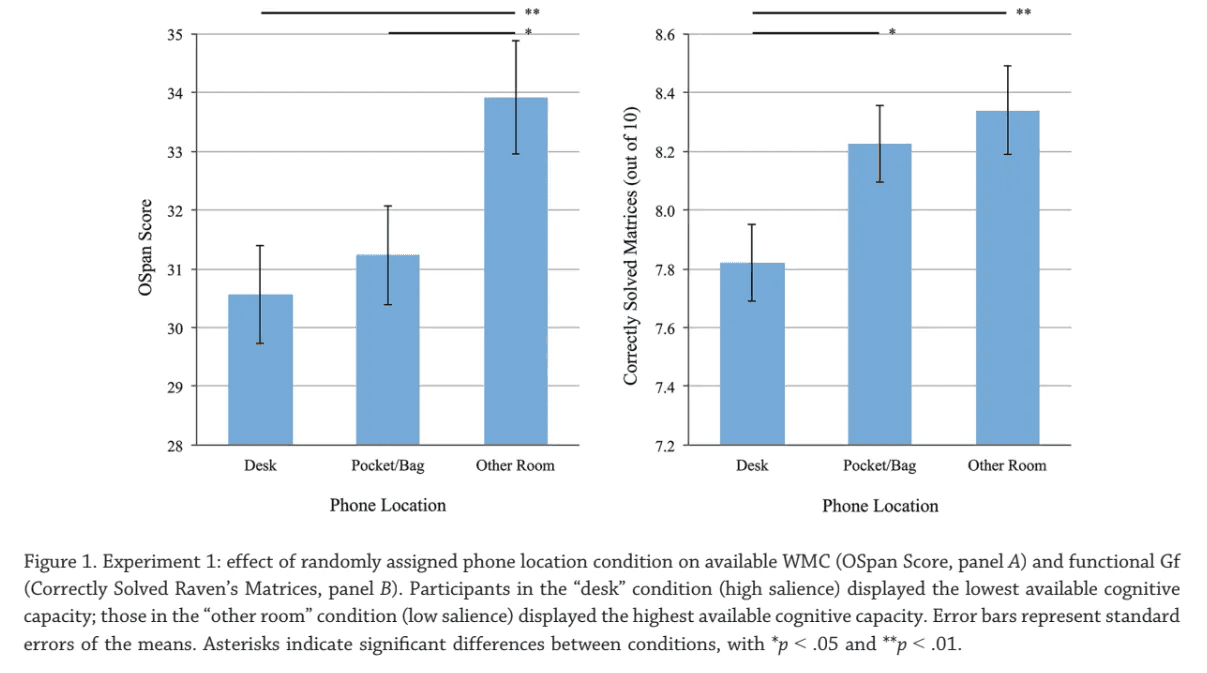
Smartphones chip away at our self-control. They condition us to give in to distractions, to interrupt ourselves. Creating distance is a perfect counter move.
Take candy, for example. Who doesn’t sneak a few pieces when there’s an open bag nearby? But if that sugar craving hits and there’s nothing in the house, your only option is going to the store. That extra effort is a barrier. You’ll only go if the craving is truly overpowering.
My girlfriend recently introduced me to these popular Swedish candies. Whenever they’re within reach at home—game over. I know I’ll finish the whole bag. Humans are naturally wired to take the path of least resistance.
Knowing that, we can hack our instincts. By reducing a reward’s accessibility, we force ourselves out of our comfort zone to obtain it. And the brain responds: we’re less tempted. By creating physical distance, we’re less likely to act on a fleeting impulse to check our phones. We can use our comfort-seeking nature not to give in—but to resist distraction.
Every habit starts with a cue that signals the possibility of a reward.
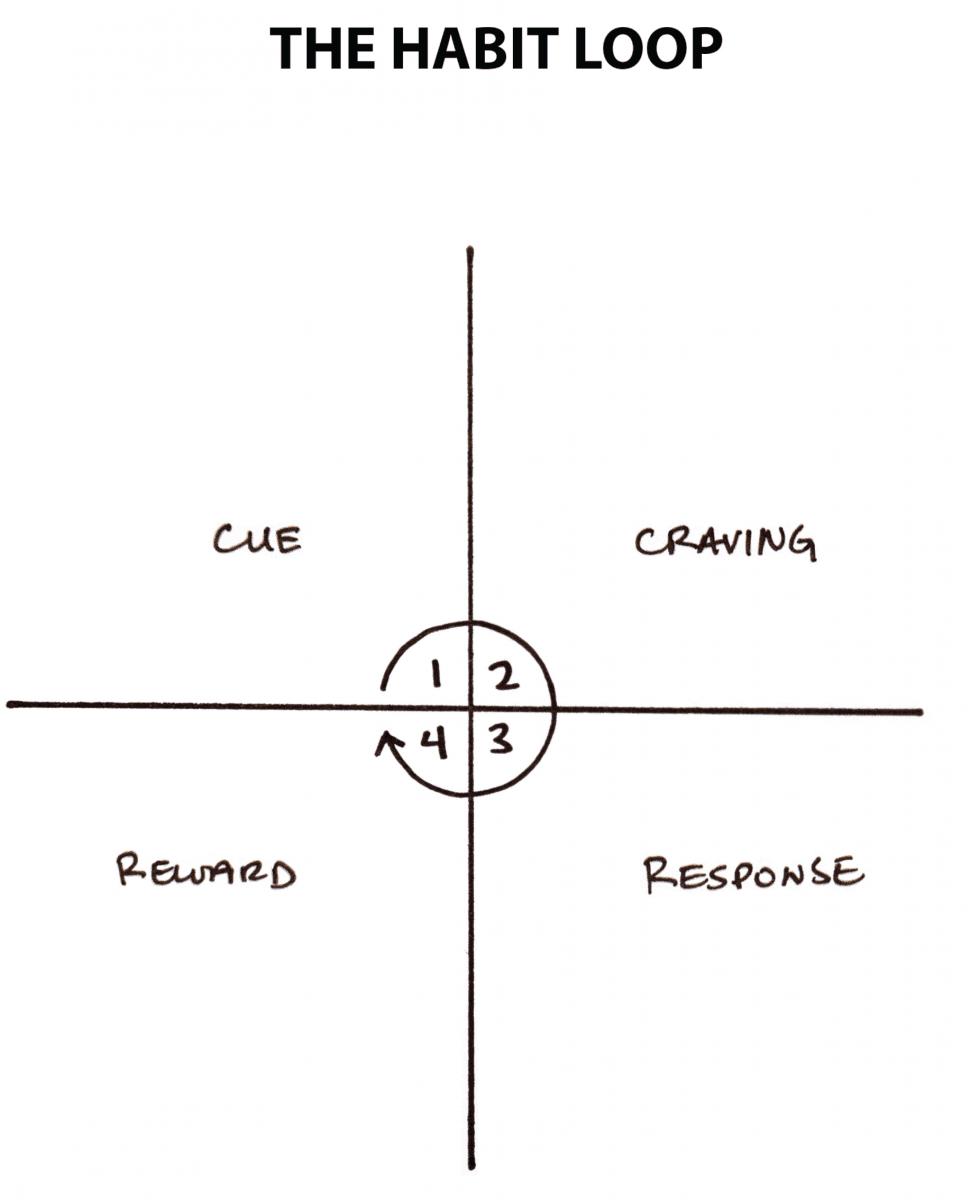
From Atomic Habits
Creating distance from your phone works by eliminating or distancing that cue. This disrupts the shortcut your brain has built over time. Still, the urge might pop up even without a cue, especially if the habit is deeply embedded. Physical distance then plays a second role: increasing the friction between you and the response (step 3 of any habit loop).
If you have to walk across the house or open a safe with a code to get to your phone—it’s a game-changer.
The Table Rule
To gradually reduce my smartphone’s gravitational pull, I make a point of keeping it away from me multiple times a day. First, I use a physical alarm clock, so my phone doesn’t come into the bedroom—neither at night nor first thing in the morning.
Second, whenever I prepare for a deep work session, I make sure to put my phone in another room beforehand. And as of last week, I’m trying out a new discipline: the table rule.
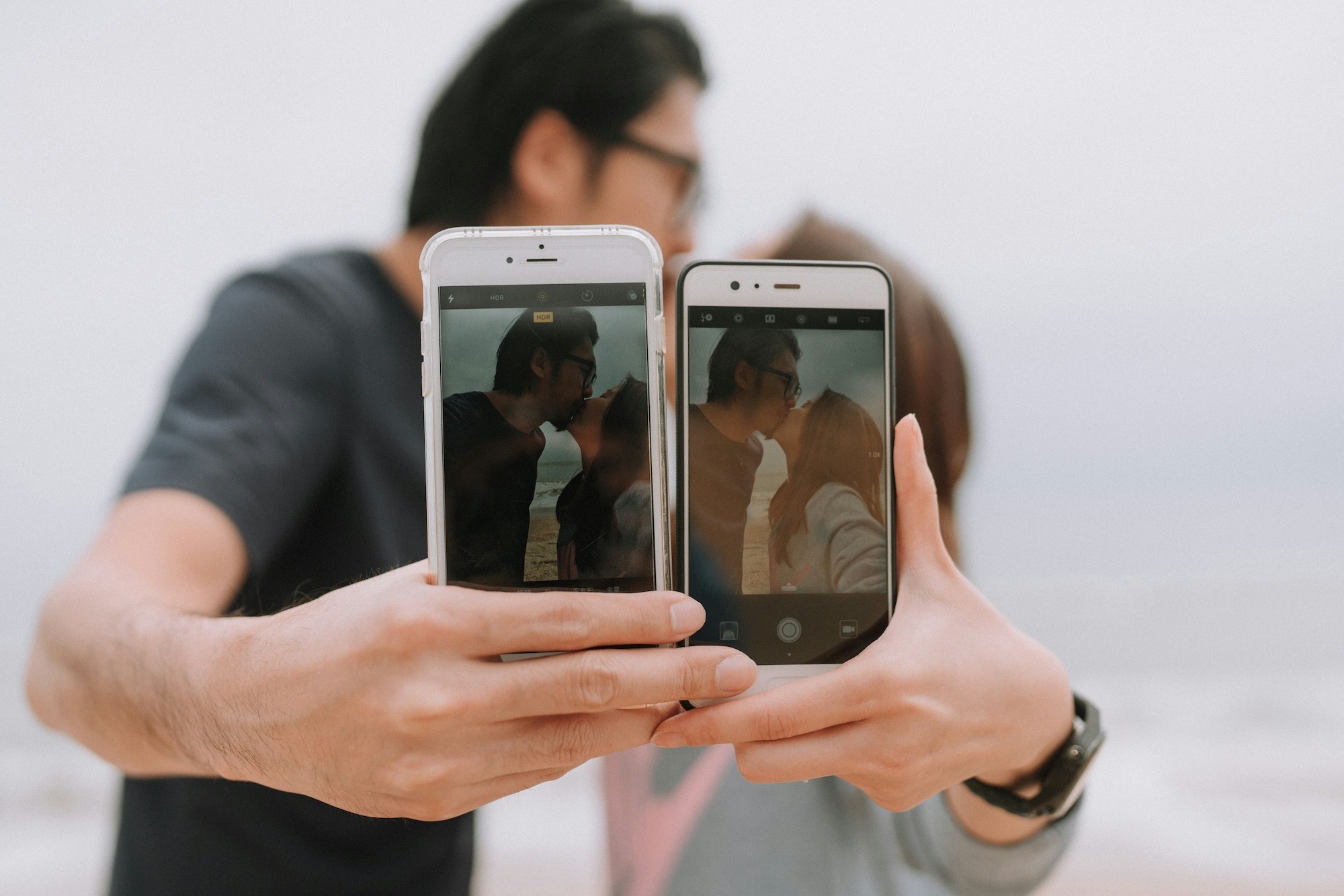
Simple. Basic. No phone on the table: not during meals, not while I’m working, not when I’m with friends or family. It goes on the floor, a shelf, or in a bag—anywhere but the table. And thanks to simple rules like this, I’ve started noticing something interesting:
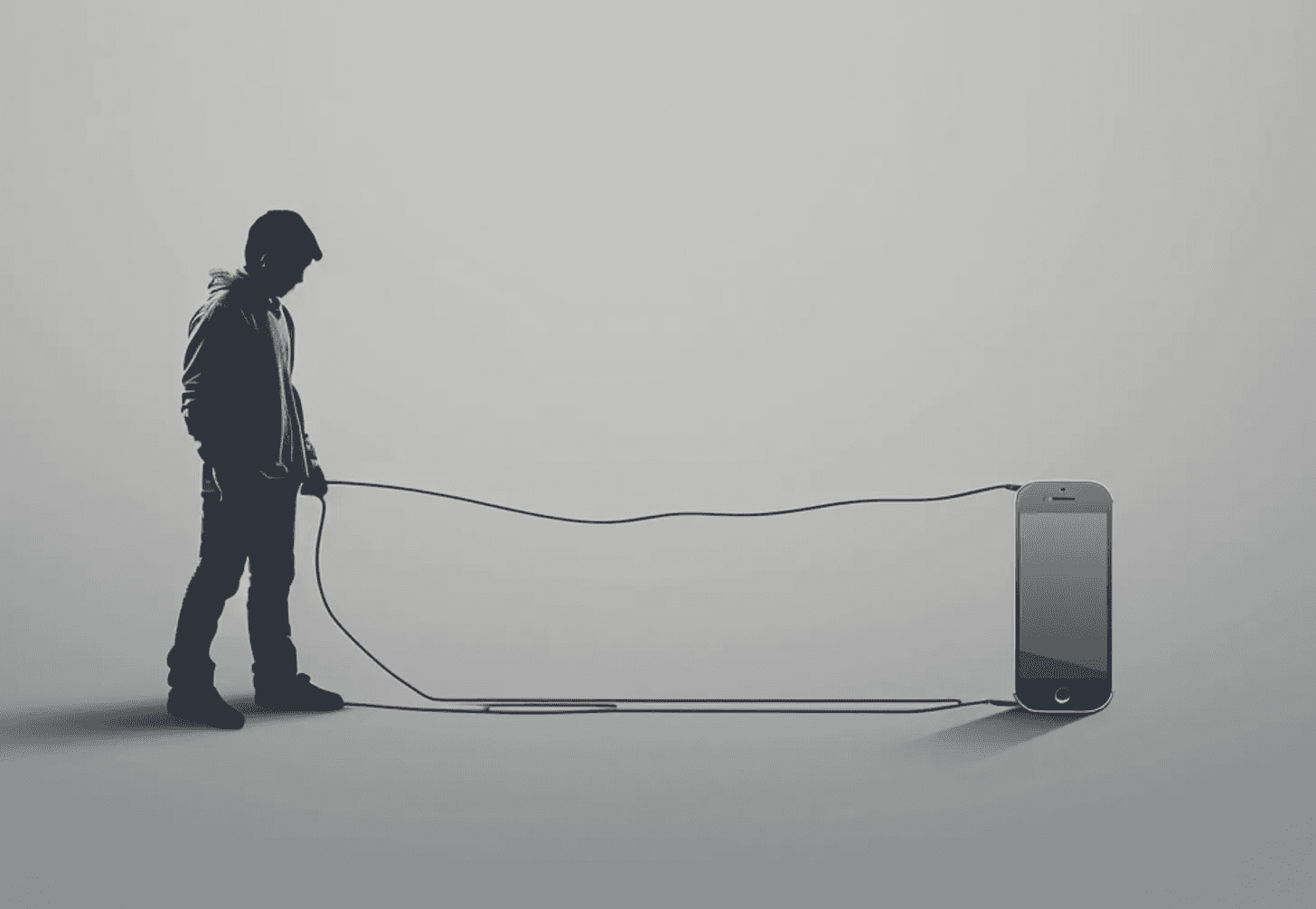
When I intentionally and frequently put distance between myself and my phone, an emotional distance starts to form too. I feel less captive. Less drawn in by that invisible thread.
Block Apps
Sometimes, willpower alone just isn’t enough —and we all need a little extra help! For that, we highly recommend the Jomo app, available for free on iPhone, iPad, and Mac.
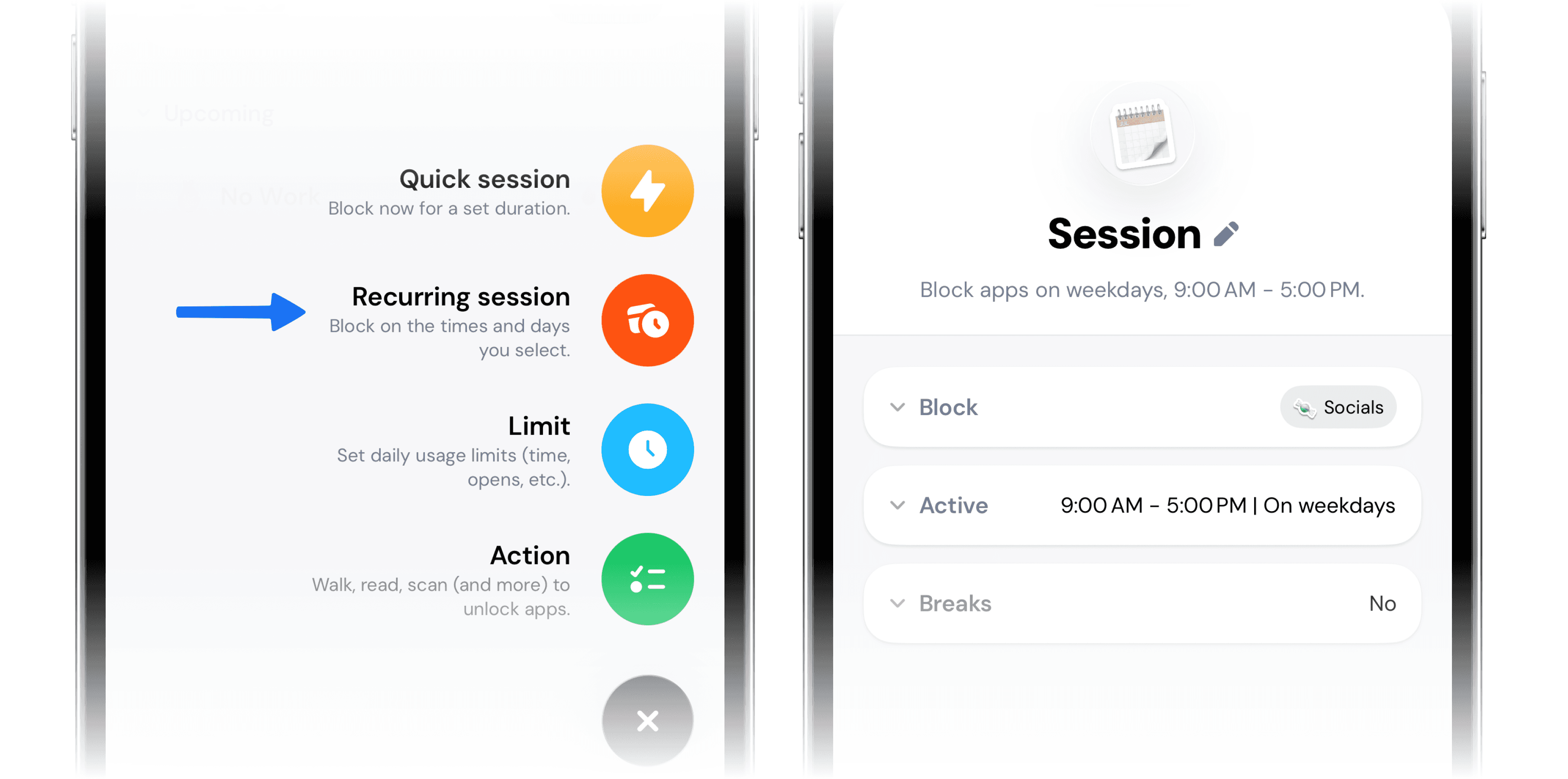
You can add what’s called a “Session.” This is a time slot during which the apps of your choice will be blocked. It’s a great tool to fight against compulsive —and especially unintentional— usage.
Here’s how to do it:
Go to the “Rules” section.
Tap on “+” > “Recurring Session.”
Choose your preferred time interval, select the apps to block, and add it!