Understand
5 min
How Social Media Shapes the Way You Travel
A 2017 survey revealed the reasons why British 18–33-year-olds choose their holiday destinations. The result? 40.1% cited the potential for "Instagrammability."

The Transformation of Tourism
Thanks to social media, it's true—we can find inspiration to discover beautiful places. A quick scroll on Instagram and you're bursting with ideas for your next trip. But this new paradigm has brought with it something more insidious.
Social media can condition the way we choose our vacations: we feel we must go somewhere that’s worth sharing on Instagram, somewhere that will look good in a post. And once we’re there, we feel compelled to prove we’re having a good time by sharing as many photos and stories as possible.
"If it’s not captured, it didn’t happen"
A Screenbreak reader sent me this a few months ago. A very telling story:
“I hadn’t travelled in over ten years, and when I finally did, I was stunned by how much tourism had changed since my childhood. I wasn’t surrounded by curious travelers eager to discover the roots of Western civilization or the charm of the Italian way of life—but by egos trying to fill their ‘Roma’ story highlight.
Winding my way through the jungle of selfie sticks, dodging the empty spaces left clear so someone’s boyfriend could snap the perfect pic of his girl, I found myself in a kind of tourist supermarket, where each customer picked the monument that would score them the most likes.”
Tourism has taken on a new face. For many, the destination itself has lost importance—it’s no longer the end goal. Its real value comes from how it’s shared on social media afterward. Historical and cultural sites have become mere backdrops for selfies and stories. Some visitors are more focused on maximizing likes and reactions than on truly appreciating the site in the moment. Authenticity is often replaced with staging.
When many people—especially those close to us—join in this race for sensational content, it pressures us to seek ever more exotic, unusual places. In other words, more “Instagrammable.” This shift suggests we may no longer travel for the right reasons.
In September 2023, a small town in Vermont had to close to tourists after a hashtag on TikTok triggered a sudden flood of visitors.
#sleepyhollowfarm caused a swarm of tourists to descend on Pomfret, Vermont, each hoping to snap a photo with the scenic countryside in the background. The buzz turned this quiet rural town into a tourist hotspot overwhelmed by crowds chasing the same viral image. This kind of “influencer tourism” didn’t go over well with the locals.
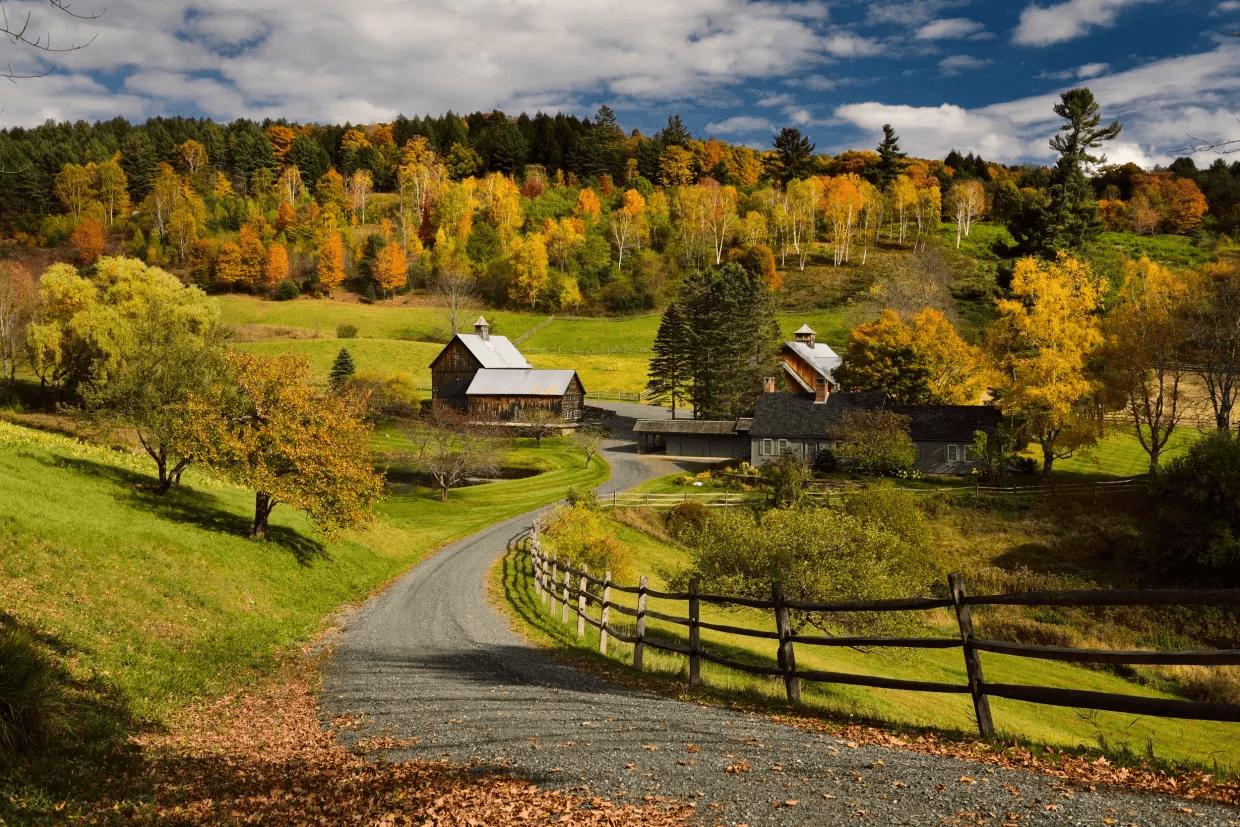
Pomfret, a Hashtag Obsession
Of course, social media isn’t all good or bad. Places use it as a great tool to get noticed. We get inspired, see where our friends are, soak up beautiful photos. That’s cool. Still, there are some psychological and social effects of the Instagram era when it comes to travel and experience-sharing.
Holidays in the FOMO(de)
It’s easier than ever to keep up with the adventures of friends and inspiring travelers alike. But constant access to others’ lives inevitably leads to constant comparison, drawing our attention away from our own experience and toward what everyone else is doing. Holidays sometimes become a social showcase, with a focus on presentation over personal experience and relaxation.
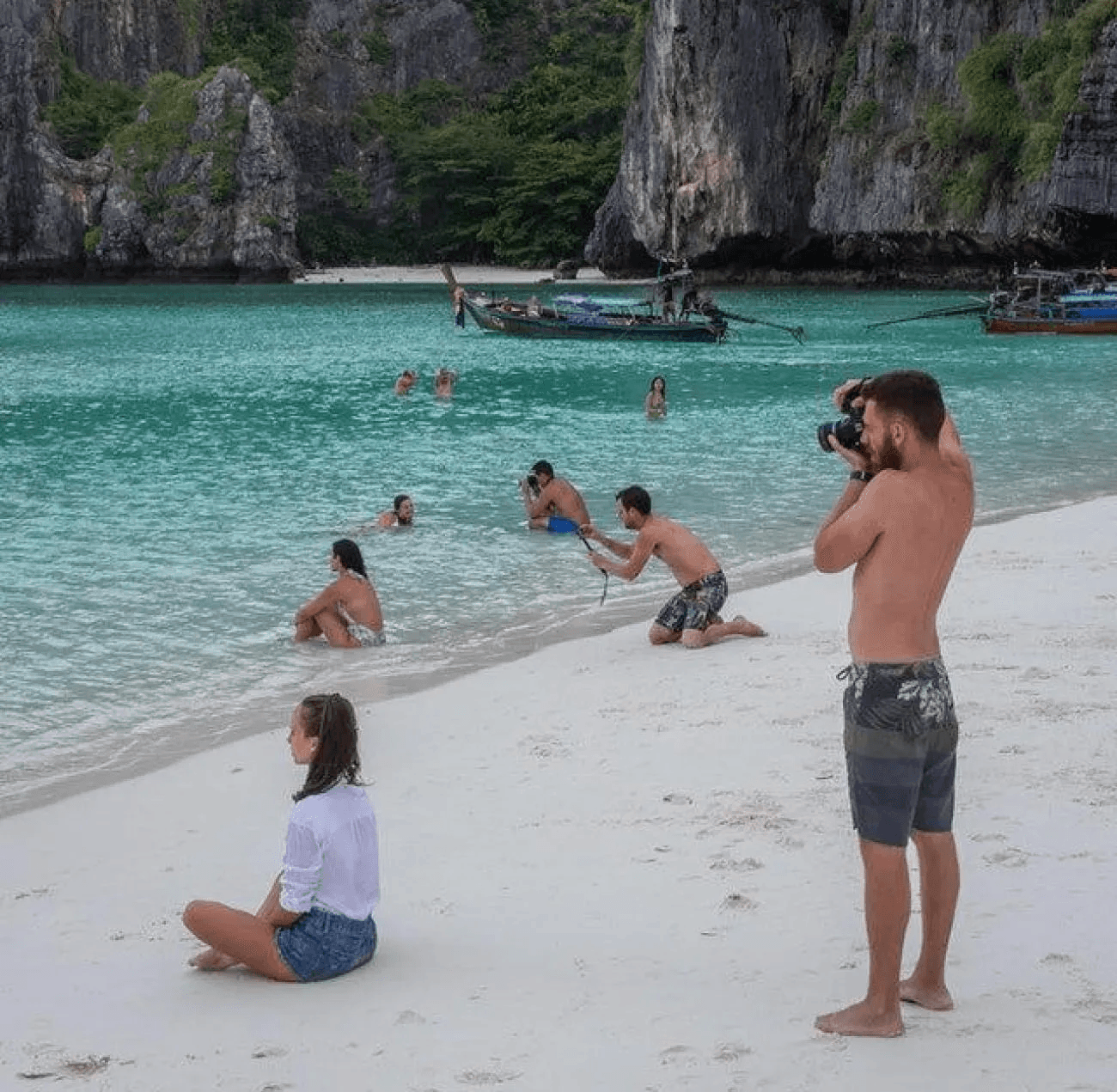
Behind the Scenes
The word vacation comes from the Latin vacare—“to be empty.” Originally, a vacation meant making space. Emptiness. Rest. In short, a time for renewal. But social media pressure can make us miss the whole point of taking a break. To disconnect. To recharge. To rest.
In this new era, vacations have become the perfect moment to capitalize on where we are—by broadcasting it to the world. We aim for the perfect shot instead of simply living the moment. I was caught in those habits for a while myself, and I know just how hard they are to break. But this tendency to favor the image we project over the true experience strips away the real meaning of vacation and escape.
This race for social validation is a trap for personal fulfillment and can even lead to emotional burnout. Yes, the need for recognition and approval is part of human psychology. People have always needed to be seen by others in order to feel they exist.
Children need their parents’ attention. Friends compare themselves. It’s natural. Whether we want to be seen as similar or different, others help confirm our sense of self. But the rise of social media has amplified this need to extremes, turning every action or experience into content for public consumption. John R. Suler, author of Psychology of the Digital Age, puts it bluntly:
“Instagram is a tool for validating your life.”
We feel the need to post an idealized version of ourselves, our adventures, and our trips. With Instagram’s emphasis on beautifying images, we’re driven to present the best possible version of our life.
Self-promotion and personal branding have become existential stakes. The problem? We’re constantly exposed to the idealized lives of others. Instagram can distort reality. What we’re doing can suddenly feel dull compared to what we constantly see online. I’ve received messages from several people about this. When they arrived at certain destinations, everything seemed “not enough.”
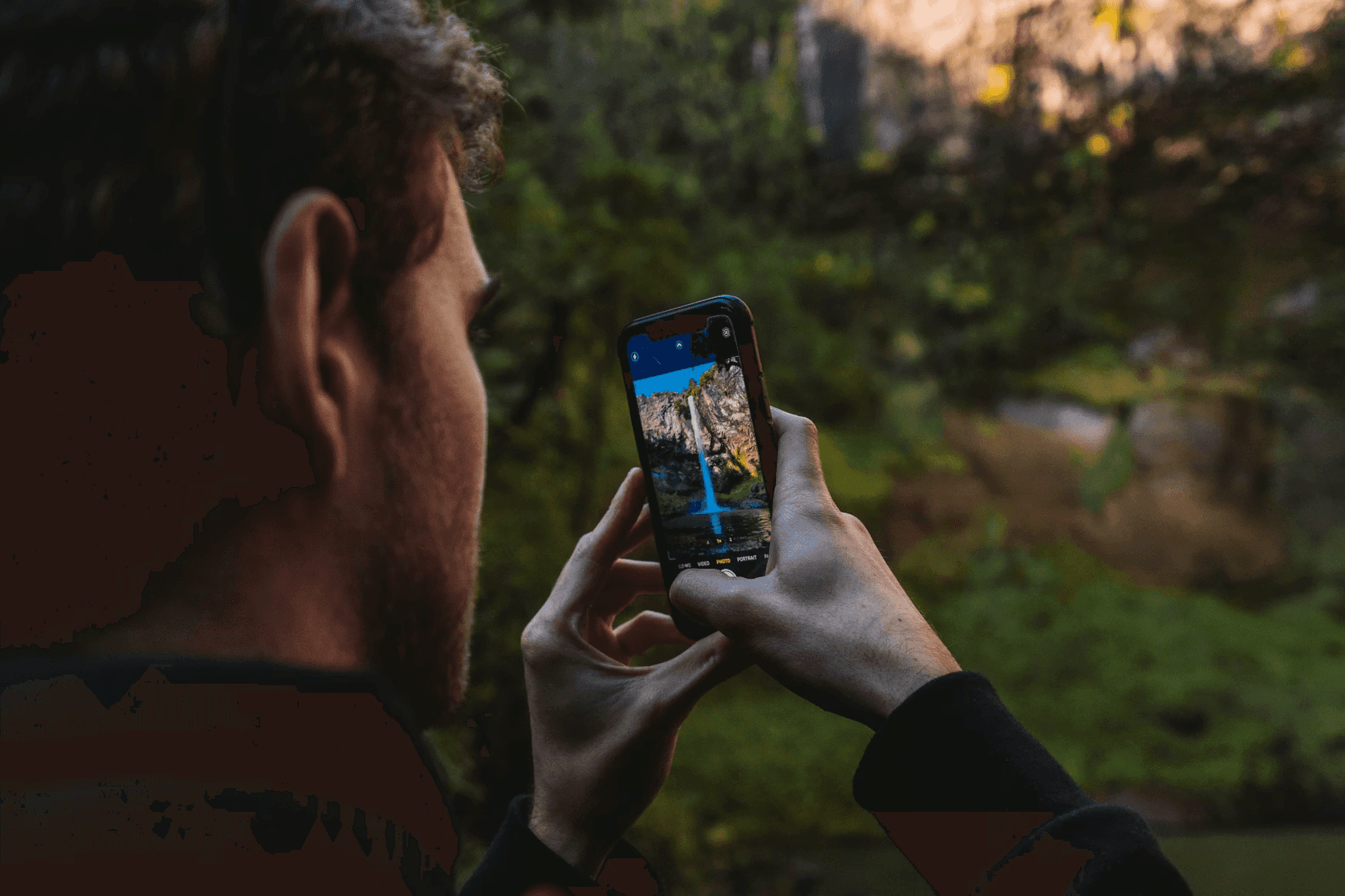
Not pretty enough compared to what they’d seen on Instagram. Not sunny enough compared to their friends’ stories. Not original enough to stand out online. According to psychology professor Dan Ariely:
“FOMO is the fear of regretting having made the wrong choice about how to spend your time.”
The constant comparison driven by social media feeds this existential fear. It’s crucial to break free from this spiral in order to rediscover the true meaning of free time and vacation. Away from screens, away from social expectations. If a picture is worth a thousand words, a memory is worth a thousand pictures.
This Vacation's Challenge with Jomo
“With family or friends, take the time to step away from distractions and strengthen your bonds.”
Disconnecting is hard—but shared rituals make it easier.
That’s why this summer, we’re inviting you to unplug together. The goal: enjoy your vacation, for yourself—not to flex on Instagram with endless Malibu cocktails. “But how do I do that?” I hear you ask. Don’t worry, we’ve got you covered:
Tap “+ Start blocking” > “Block now”
Under “Block,” choose the apps you want to block (mainly social media)
Under “Active,” set the duration of your vacation
Under “Unlocks,” set it to “1 time per day”
Then tap “Start”
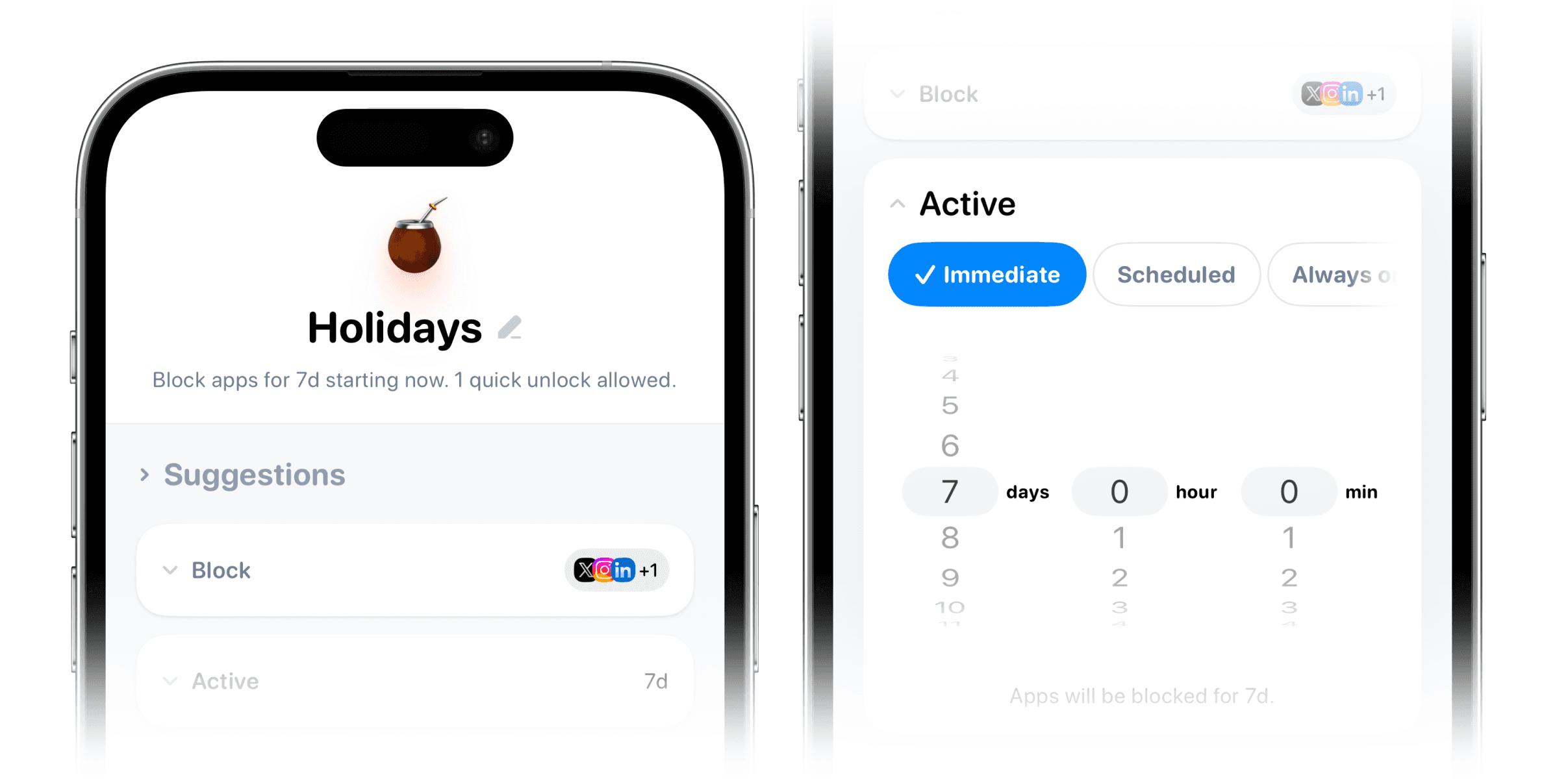
“What if I give in after two hours?” No choice… turn on Strict Mode! That way, there’s no way to ruin your vacation. After that, you can enjoy your cocktail with your feet in the warm sand—in peace.
Thanks for reading this far. I hope this helped you understand your habits a little better and maybe even inspired you to change them. If that’s the case, you can use my referral code to get a 14-day free trial of Jomo: FG2HA9. Feel free to give it a try.