Wellbeing
4 min
Why You Should Care More About Your Sleep Quality
In the era of celebrating a 200-hour life, where productivity seems to be the ultimate virtue, we often find ourselves caught in a relentless pursuit of constant busyness.

Today we’ll explain the prevailing notion that glorifies minimal sleep, asserting that a good night's sleep is not a luxury but a necessity for optimal productivity and overall well-being.
But before we begin, let me introduce myself. The little voice you’re reading is Laureline. I’m the designer and co-founder of the Jomo app. For the past 10 years, I’ve been working in ergonomics and interface design. In 2022, we launched Jomo to finally bring a long-standing idea to life: a great app to help people stop mindless scrolling and take back control of their lives. I wrote this article myself, with my own two hands and my own brain. So if you enjoyed it or found it helpful, feel free to share it with people around you and send us your feedback!

© Art by Pablo Stanley
The Sleep Stigma
In our quest for a hyper-productive lifestyle, sleep has been stigmatized as a sign of laziness. Experts describe how we wear our sleep deprivation as a badge of honor, proudly proclaiming our ability to function on minimal rest. However, this mindset is not only counterproductive but also detrimental to our health and long-term success.
They explain that the devaluation of sleep is a misguided approach. Rather than viewing sleep as time wasted, we should recognize its profound impact on our cognitive abilities, stress levels, and decision-making skills.
The Power of Quality Sleep
Contrary to the belief that less sleep equals more productivity, experts highlights the critical role of sleep in enhancing concentration, attention, stress management, and judgment. "No aspect of our biology is left unscathed by sleep deprivation," warns Matthew Walker, a renowned sleep scientist and director of the Center for Human Sleep Science at the University of California, Berkeley. The short-term gains of staying awake for extended hours are overshadowed by the long-term consequences of compromised health and reduced productivity.
Economic Impacts of Sleep Deprivation
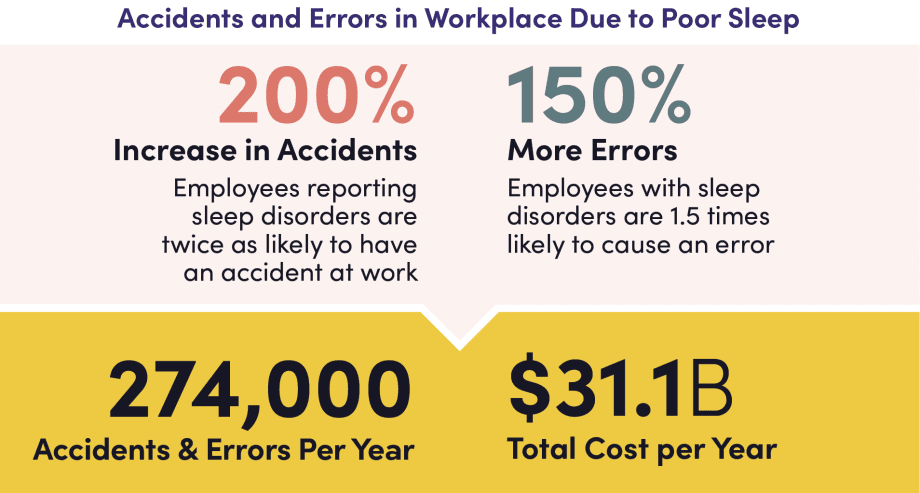
The economic toll of sleep deprivation is staggering. Experts found out that sleep deprivation could have an huge impact on economy.
"Sleep deprivation costs the U.S. economy as much as $411 billion in lost productivity every year."
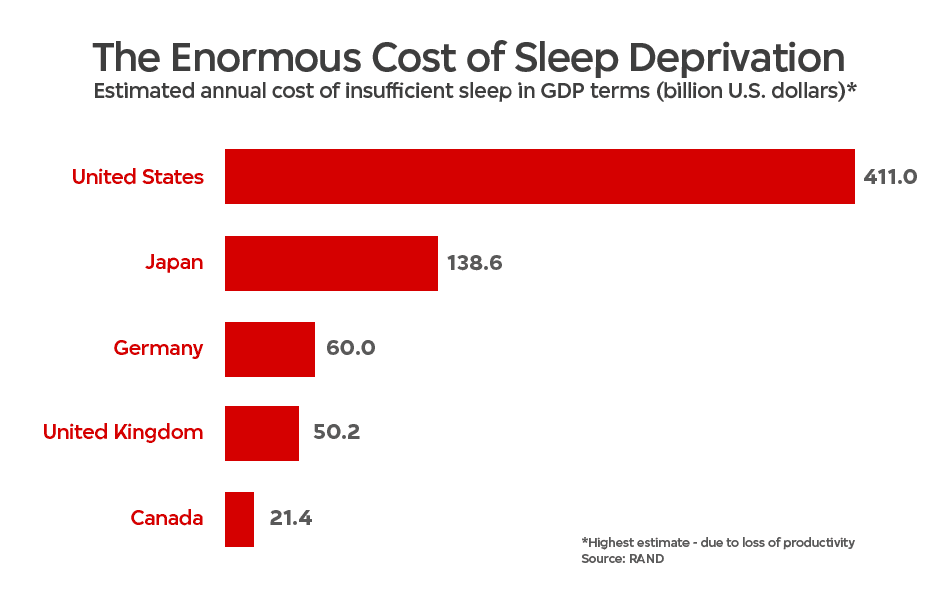
This figure underscores the tangible consequences of sacrificing sleep in the name of productivity. The illusion of efficiency is shattered when faced with the economic repercussions of a workforce grappling with chronic sleep deprivation.
Health Consequences: Beyond Productivity
Beyond its impact on productivity and the economy, sleep deprivation exacts a toll on our health. A study underscores the severity of the issue, revealing that individuals over 45 who sleep less than 6 hours a night are 200% more likely to experience a heart attack or stroke in their lifetime. The connection between inadequate sleep and increased risk of cardiovascular events highlights the profound consequences of neglecting our sleep needs.

5 Concrete Tips to Develop an Healthier Screen Time and Sleep Balance
📊 Manage Your Screen Time
Control the time you spend on your phone: The goal is not to assign a specific time per day to your phone but to establish a "healthy" timeframe. Currently, the average daily screen time is approximately 4h30, nearly a third of our waking day—yes, that's substantial. Therefore, if there's one crucial advice we give you, it's to minimize screen usage in the evening. Your attention has already been devoted to it for too long.
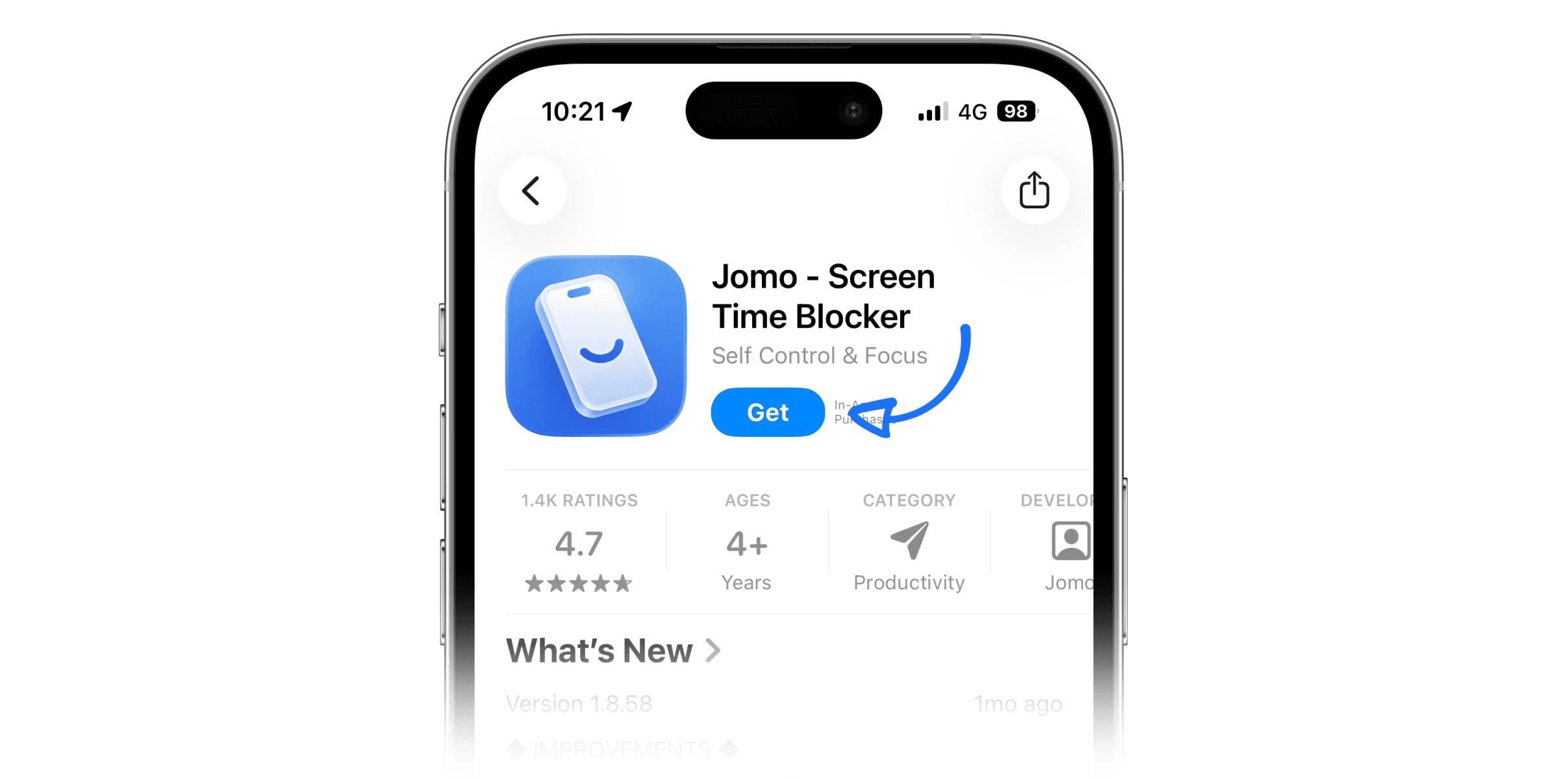
Set screen time boundaries to preserve your night from phone’s distractions: You can configure blocking rules using the Jomo app — available for free on the App Store, to automatically block specific apps at bedtime.
🌜 Prioritize Sleep Hygiene
Create a consistent sleep schedule by going to bed and waking up at the same time every day: Consistency is the key to everything: the "ritual" aspect, or the practice of doing the same thing every day at the same time, is often underestimated. We may convince ourselves that we are too entrenched in our own routines and habits. However, in reality, our body and brain thrive on it. Why do we love it? When we engage in different activities every day or at varying times, our brain works harder as it cannot anticipate what's coming. It constantly wonders about what will happen and what it needs to do. Repeating similar actions at the same time allows the brain to avoid overstimulation because it knows what to expect!
Designate your bedroom as a sleep sanctuary: It might seem trivial, but the concept is straightforward and essential. Similar to consistency, it's crucial that each space serves a distinct purpose in your life. Your bed shouldn't multitask as your workspace, entertainment hub, and sleep haven. Its primary function should be a sanctuary for rest. By maintaining this distinction, when you retire to bed at night, your brain can promptly associate it as a dedicated space for rejuvenation, enabling a quicker transition to a restful state.
🪷 Mindful Productivity Practices During the Day
Emphasize the quality of work over quantity: It's a prevalent misconception that accomplishing a multitude of tasks in a day is indicative of high productivity. However, reconsider this notion! A truly productive day is characterized by the completion of high-quality tasks as a priority. It's crucial to avoid overloading your day with numerous tasks, as it can lead to mental fatigue. Life is a marathon, not a sprint, and there's no necessity to tackle everything simultaneously, pushing yourself to the brink of burnout. Instead, strive for increased efficiency by enhancing organization, learning to delegate certain responsibilities, and adopting other effective strategies.
Incorporate short breaks during work hours to enhance focus and prevent burnout: It's equally essential to punctuate your day with periods of rest. Contrary to the misconception that "doing nothing" is a sign of laziness, it's actually crucial to take breaks between tasks. During these rest periods, your brain operates at its peak efficiency. This is the time when it undergoes a subtle reset, clearing its mental cache of previous activities, ultimately gearing up to be more efficient for the next task.
🛏️ Cultivate a Sleep-Friendly Environment
Invest in a comfortable mattress and pillows to promote restful sleep: There's nothing inherently wrong with investing heavily in technological devices or gadgets, but when it comes to investing in things essential for your health, that's when skepticism tends to arise. And why is that? In the long run, having a good mattress and pillow is undeniably more beneficial for your health than owning the latest iPhone!

© Art by Sam Schwartz
Diminish screen brightness in the evening to signal to your body that it's time to wind down: We cannot emphasize this enough – seriously, avoid bright screens in the evening before bedtime. Often, we don't realize it, but it significantly disrupts our sleep. While it might not necessarily hinder you from falling asleep, it does prevent your body from fully recovering. The science of sleep is more intricate than one might imagine!
🫀 Holistic Health Approach
Prioritize physical activity and maintain a balanced diet to support overall well-being: Everyone advises you to exercise, but perhaps you're still wondering why! Well, engaging in physical activity contributes to a healthier lifestyle. It's crucial to challenge your body daily to prevent the development of aches, pains, or long-term physical issues. Moreover, as you may have heard, there's nothing quite like a good workout to facilitate recovery!
Strike a balance between intensity and variety in your activities: It's crucial not only to diversify your pursuits but also to vary their intensity. This approach prevents your brain from becoming overly accustomed to a specific stimulus, reducing the risk of developing addiction. Teach your body to savor small pleasures: slipping into bed at night, sipping on a warm herbal tea, and enjoying a restful night's sleep, instead of keeping it engaged with videos and films.
🔒 Use An App blocker or Screen Time Management Tool
Sometimes, we may require a little help. For this, you can download an app blocker that will allow you to block the apps of your choice for as long as you need. The most complete tool for iPhone is Jomo, available for free on the App Store.
To do this, you can set up a "Wind Down" session. Start by using the default template provided by the Jomo app. From there, you’re free to adjust the settings to better match your habits and preferences. Here’s what it could look like:
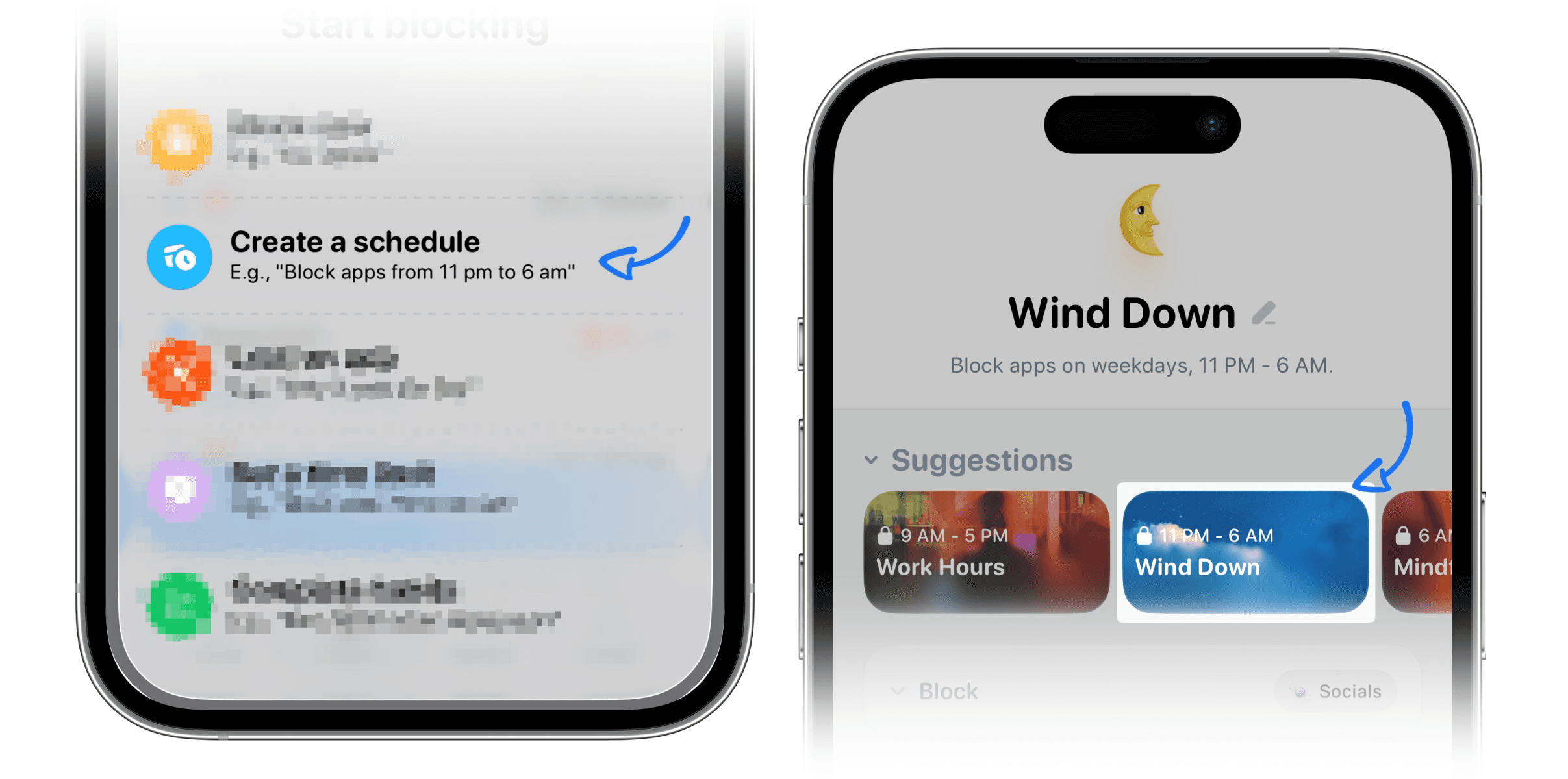
With Jomo, you can block apps for specific time slots or set time limits on your most distracting apps. Additionally, you can link a blocking session to a focus mode.
The Takeaway 🍔
The relentless pursuit of productivity at the expense of adequate sleep is a perilous path. Recognizing the intrinsic connection between sleep and productivity is not only a paradigm shift but a crucial step towards unlocking our full potential. As we strive for success in a 24/7 world, let us not forget that a well-rested mind and body are the foundation upon which true productivity is built.
Thanks for reading this far. I hope this helped you understand your habits a little better and maybe even inspired you to change them. If that’s the case, you can use my referral code to get a 14-day free trial of Jomo: FG2HA9. Feel free to give it a try.