Guide
5 min
How to do a Digital Detox?
Even if we wanted to, going back to the era of analog phones is no longer really possible. Instead, we have this little device—seemingly harmless, but it has taken such a place in our lives, gradually capturing both our attention and our time. So much so that today, not only is it impossible to live without it, but for many of us, it now dictates the rules.

Wait... what? When did it start telling us what to do?
At first glance, you're right—it doesn’t give us any orders. We can always turn it off and forget about it... But really? Are you able to resist the pull of a notification? To avoid scrolling through Instagram while waiting in line at the supermarket? Or to skip watching a YouTube video to help you fall asleep?
Yes, as you’ve probably realized... our phones have more control over us, our habits, and our time than we truly think. And it's high time that changed! But… how? What’s the magic solution? Maybe you’ve already read several blog posts, watched videos on YouTube, or read books on the subject. If so, one concept likely stood out: digital detox. More specifically: a detox.
But before we continue, it might be time for me to introduce myself! I’m Thomas, co-founder of Jomo. Over the last 4 years, I’ve spent most of my time thinking about screen time habits and building an app that’s used by more than 250,000 people.
Based on our most recent 100,000 users, the average Jomo user reduces their daily screen time by about 1 hour and 39 minutes.
Not because they suddenly gain superhuman willpower, but because they change a few small habits that make mindless scrolling harder and intentional phone use easier.

© Art by Kuba
What is a Detox?
A detox is a form of withdrawal. Just like someone addicted to alcohol or other harmful substances, there comes a point of "no return." A moment in life when you decide to stop being a spectator of your own life and become an active participant.
It’s the same with technology: not all uses are beneficial for us, and some can have serious real-life consequences. This can range from simply realizing how much time you've wasted to more significant events: personal, professional, or family incidents where your phone is partially or fully to blame.
So how does a detox work? Unlike substances or certain activities (like online gambling, for example), it’s hard to completely cut off from your phone. Not only is it too "essential" nowadays, but treating it as the sole culprit, when it's also a gateway to healthy activities, isn't fair either. Where digital detox differs is in its goal: we don't want to return to the Stone Age, but to break free from the chains that make us slaves to this pocket device.
The aim of a digital detox is to correct automatic behaviors (the so-called "reflex" habits), raise awareness of your usage, transform it, and break the dependency. To become a conscious user again—an active participant, not a helpless victim—a spectator.

The DO’s & DON'Ts
❌ Cold Turkey Method
In my opinion, if there’s one thing to remember here, it’s that a phone isn’t like a cigarette. It’s hard to go cold turkey and expect to be done with it for good. It’s not like smoking, which is a personal choice affecting only you. Phones are more of a societal matter.
Even if you decide to cut everything off, others won’t. They will continue to live with their phones. How can you resist when the temptation is all around you? It’s almost impossible.
✅ Gradual Reduction
That’s why, at Jomo, we recommend gradually reducing your usage until you reach a level that works for YOU. It’s much easier to stick to because you don’t feel frustrated about missing out on content or services. You can still check things, but with "moderation."
Also, reducing instead of cutting everything out builds habits that can last long term. To help you along, you can download the Jomo app for free, available on iPhone, iPad, and Mac.
❌ Blocking All Apps
It's important to stop seeing smartphones as an all-or-nothing thing: that everything you do on it is bad, and you should stop using it. You need to be more nuanced. Like the cold turkey method, blocking everything is almost impossible to maintain. Those who manage it are likely 1% of the population?
Before rushing to block anything and everything, you need to reflect on your usage: What do I use daily? Which activities are problematic and which aren’t? Which should I ban vs. keep?
✅ Block Smartly
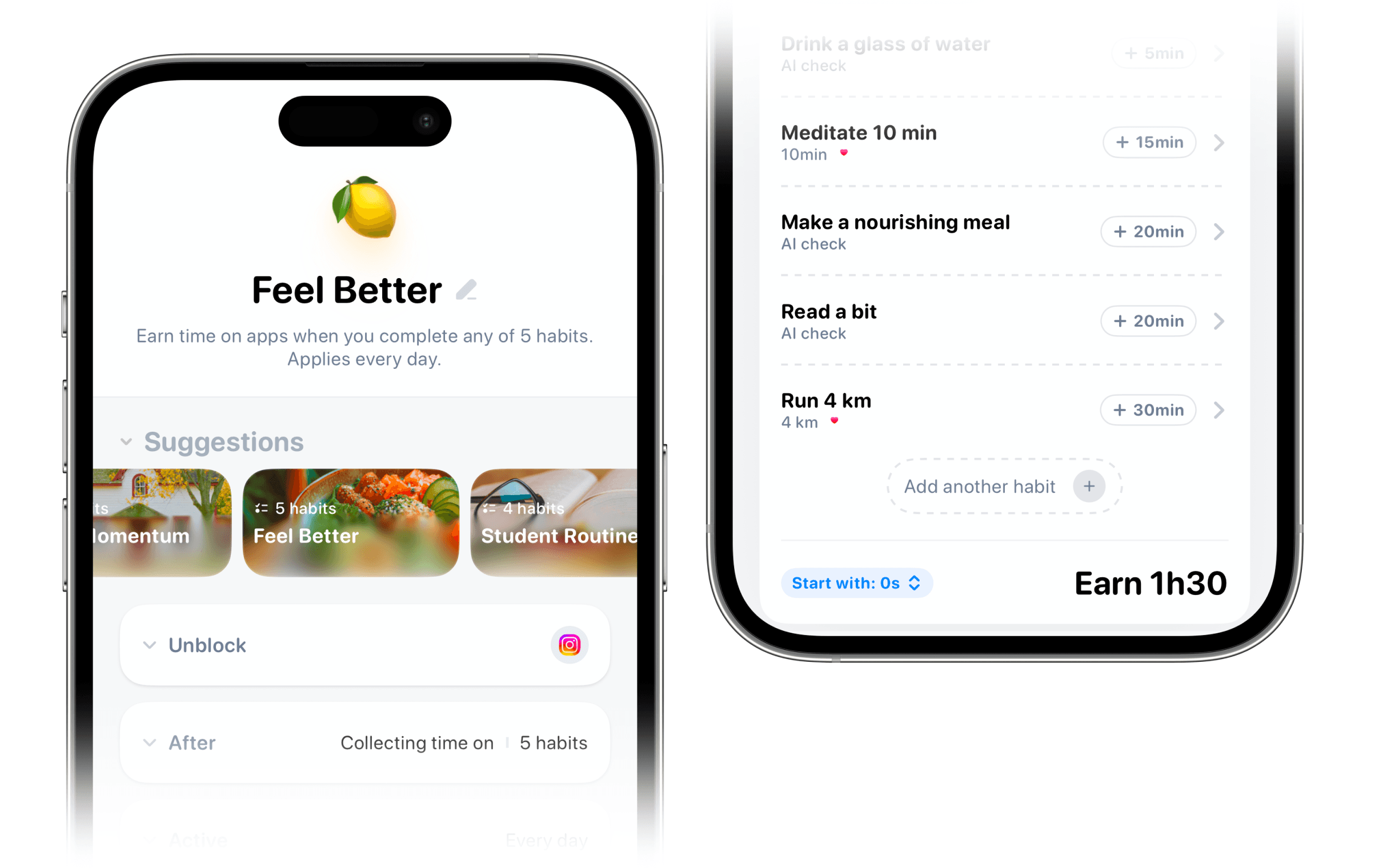
And what if some apps could help you grow? Develop particular skills? They’re right there, but you don’t notice them. So, you should set up a "Routine" with Jomo.
On Jomo, you can block certain apps until you’ve used others or you've completed a task. For example, you need to read on "Books" for 10 minutes before unlocking YouTube or cook a good meal (checked by AI!) before being able to use TikTok. Until you do that, you CAN’T use your apps. It’s a great way to force yourself to use positive apps and avoid the easy distractions.
❌ Detox Without Preparation
A detox is like a marathon: if you’re not prepared, there’s very little chance you’ll finish the journey… As I mentioned before, just because you decide to reduce your consumption doesn’t mean others will do the same. In short, the world won’t stop for you.
You need to plan your "withdrawal" from platforms. Leaving social media? Don’t do it quietly; instead, tell your friends and family so they know to contact you via text, for example. Don’t be ashamed of taking control of your life.
✅ Have Replacement Activities
Cutting things off and notifying others is a good start. But don’t forget to plan replacement activities! Otherwise, boredom and abandonment will creep in. You will face tough moments, that’s inevitable. So instead of letting them hit you hard, get ahead of them by planning things you enjoy or have been meaning to do for a while. If you’re stuck, we have a list of ten activities for you.
❌ Doing 30 Straight Days
Many detoxes recommend doing 30 days (around a month), after which they promise you’ll be completely free. Sorry to break it to you, but that’s... not quite true. Why? Because you’ll mostly accumulate 30 days of frustration! And once the challenge is over, you’ll rush back to consume everything you missed in those 30 days. The result? All your efforts will have been in vain.
Instead, start with one or two detox days a week. Train your brain to accept deprivation and scarcity. Then, extend these periods gradually.
✅ Track Your Progress
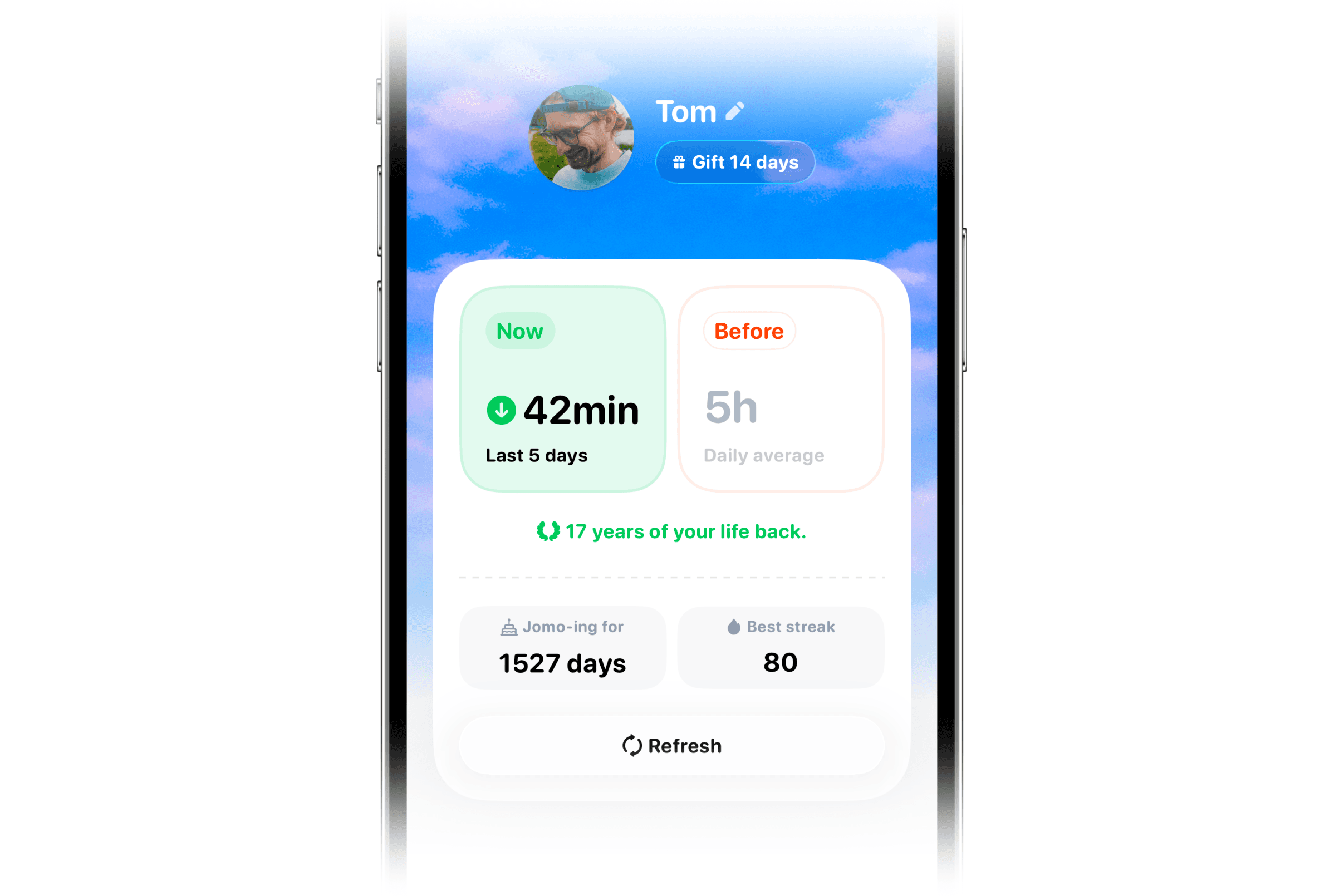
When you're in detox mode, take the time to reflect and analyze your feelings, reactions, discomfort, and improvements. This is crucial for making progress and maintaining your efforts over the long term. Most people focus only on the negatives: "I'm missing everything," "I can't keep up with my friends' lives," "I'll be forgotten." These thoughts often lead to giving up.
Instead, each night, take a moment to reflect:
What did I miss the most?
How did I feel (both positive and negative)?
How can I make tomorrow a better day?
What can I improve?
❌ Reintroducing Everything Once You Think You're "Cured"
Let’s think of it another way: like sugar. If you used to consume a lot of candy every day, then decided to cut it all out for 30 days and suddenly start again, what do you think will happen? You’ll get sick! Your body will have broken its dependency, and after 30 days, it won’t be able to handle the same quantity as before. If you go back to your old habits all at once, it’s a guaranteed overdose!
It’s exactly the same with certain services! You’ve asked your brain to learn to live without them, and it probably succeeded. But if you suddenly give it full control again, it won’t be long before your screen time is even higher than it was before your detox!
✅ Take It Step by Step
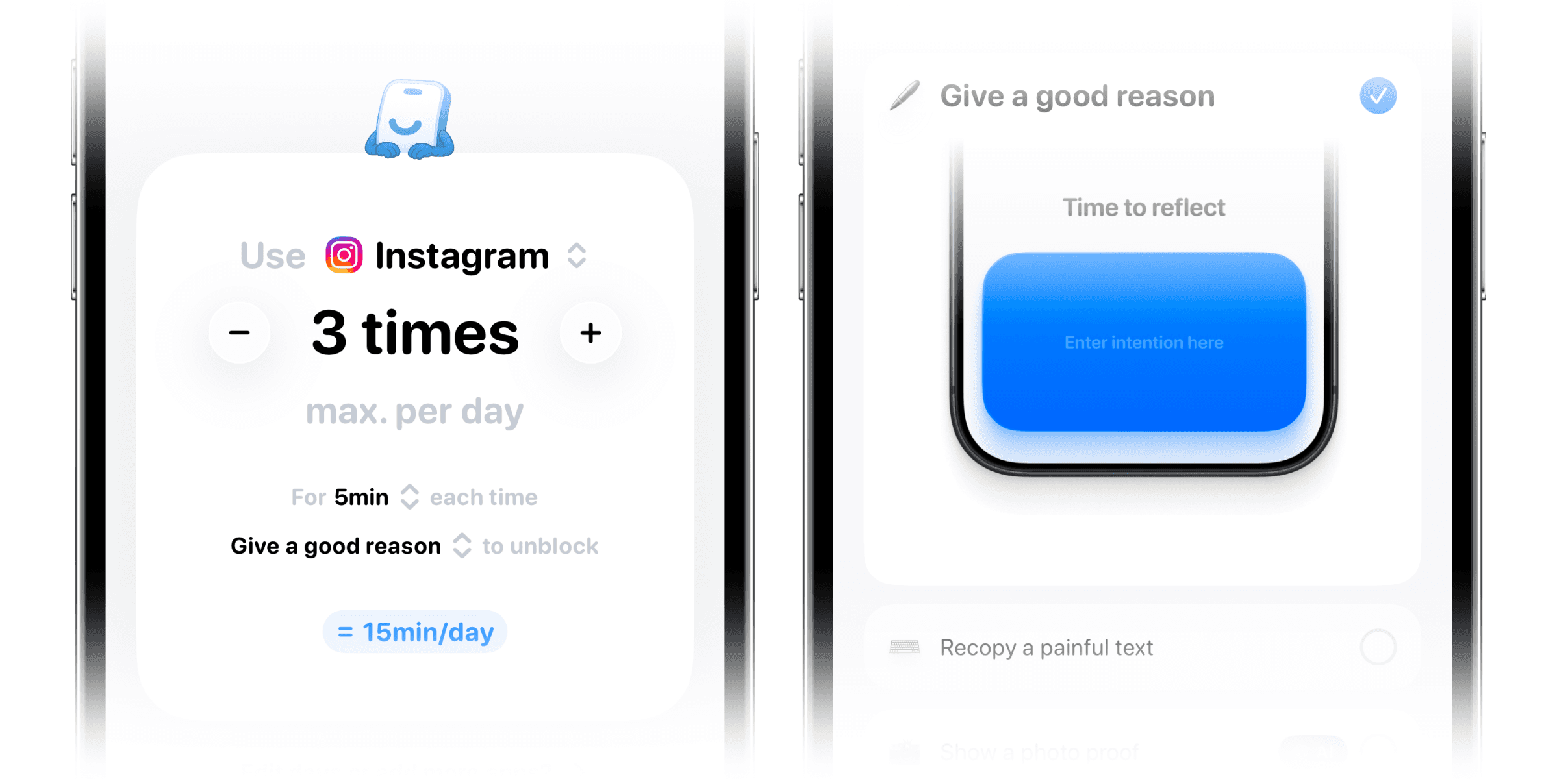
That’s why we suggest easing back into it. For example, you can set up a Lock on Jomo. The idea is to block your apps by default. This way, you won’t be able to access them as easily. You can still use them, but you’ll need to give a reason and set a timer for each break. This gives you time to ask yourself: Am I really using my time well? Is this worth it? A great way to return to your apps but gradually and without frustration!
What’s important to remember from this article is that many detoxes are sold as miracle solutions for smartphone addiction. But that’s not true... The real way to succeed is to understand your habits, improve and moderate them, and stick to your goals sustainably. Reducing your screen time by 2 hours in 2 days is easy. Doing it for 365 days is harder. Trust yourself, believe in yourself, and use tools that help you.
Thanks for reading so far! If you want to give my app Jomo a try, download it from the App Store and use my code JZ5RP5 to try the Plus plan free for 14 days.